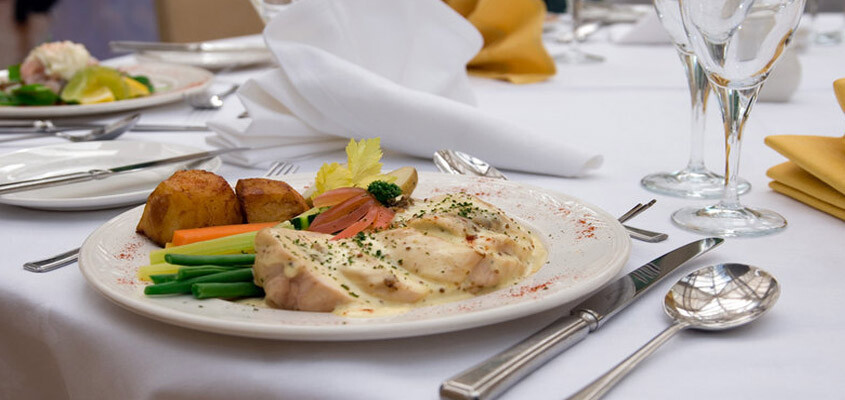
Many couples face the challenge of catering for diverse dietary needs when planning their wedding. With guests possibly having allergies, intolerances, or dietary preferences, it’s imperative to ensure everyone feels included during the celebration. In this guide, you will learn practical strategies to navigate dietary restrictions effectively and create a menu that delights all your guests. By taking the time to accommodate various diets, you can enhance the overall experience of your special day and leave a lasting impression on everyone.
Looking for wedding catering packages?
Explore our wedding catering packages, menu options, pricing, and reception setups for weddings in Metro Manila.
Understanding Special Diets
While planning your wedding, it is necessary to consider the various dietary needs of your guests. Understanding special diets not only shows your care and thoughtfulness but also reflects your commitment to inclusivity. By recognizing and accommodating these dietary preferences, you can ensure that everyone at your celebration feels welcomed and valued.
Common Dietary Restrictions
Special diets can range from allergies to personal choices. Common dietary restrictions include gluten intolerance, lactose intolerance, veganism, and nut allergies. By being aware of these conditions, you can create a menu that caters to everyone’s needs and ensures everyone enjoys your special day.
Importance of Inclusivity
Little things can make a big difference when it comes to ensuring all your guests feel included. By offering a diverse menu that accommodates various dietary restrictions, you foster a sense of community and respect among your guests. This thoughtfulness creates an enjoyable atmosphere, allowing everyone to indulge in the festivities without concerns about their dietary needs.
Understanding and respecting your guests’ dietary needs is vital for a successful wedding experience. By addressing requirements such as allergies, intolerances, and lifestyle choices, you not only enhance the dining experience but also show that you value their health and preferences. This commitment to inclusivity helps avoid potential health risks and creates a warm, inviting environment where everyone can celebrate your special day together.
How to Identify Guest Dietary Needs
Clearly, understanding your guests’ dietary needs is imperative for creating an inclusive and enjoyable wedding experience. Being proactive in this area helps ensure every guest feels cared for and appreciated, allowing them to fully participate in the celebration.
Gathering Information
Guest dietary needs can vary widely, so it’s important to gather information early on. Consider reaching out to your guests via personal invitations or electronic communication to ask about any specific dietary restrictions, allergies, or preferences that may impact their meal choices.
Creating a Dietary Needs Survey
Guest dietary preferences can be effectively compiled through a tailored survey. This approach allows you to gather detailed information on various dietary restrictions, such as nut allergies, gluten intolerance, or vegetarian or vegan lifestyles. Providing multiple-choice options or open-ended questions enables guests to express their needs thoroughly.
A well-designed survey can significantly streamline the process of identifying guest needs. Ensure you include questions regarding common allergies and lifestyle choices while keeping it simple and user-friendly. By sending the survey out along with your invitations, you can collect important information in advance and eliminate any guesswork about meal planning. This not only shows your guests that you care but also helps you to avoid potentially serious health issues on the big day.
Tips for Menu Planning
One of the key steps in accommodating all your wedding guests is effective menu planning. Start by considering the diverse dietary needs of your guests, including vegetarian, vegan, gluten-free, and nut-free options. Draft a menu that features a variety of dishes to cater to these requirements, ensuring there’s something delicious for everyone. Additional tips include consulting with guests ahead of time and being open to suggestions. Any effort you put into tailoring your menu will be appreciated by all, making your wedding celebration memorable.
Balancing Flavor and Dietary Requirements
To create a memorable dining experience, it’s vital to balance flavor with dietary requirements. Focus on fresh ingredients and incorporate aromatic herbs and spices to enhance the taste of each dish, ensuring they appeal to all palates. When preparing options for specific diets, remember that creativity is crucial; a well-seasoned vegetable dish can be just as satisfying as a meat-based one, so aim for meals that allow everyone to savor the flavors.
Collaborating with Catering Services
For a seamless catering experience, it is vital to collaborate closely with your catering services. Be transparent about your guests’ dietary restrictions and preferences so they can provide customized menu suggestions. This collaboration allows your selected caterers to showcase their creativity while ensuring all dietary needs are met, resulting in a well-rounded, satisfying meal for your friends and family.
A quality catering service will prioritize your needs and work diligently to create a customized menu. They often come equipped with the expertise to offer alternative ingredients and innovative dishes that satisfy specific dietary restrictions without sacrificing taste. While selecting a catering service, ensure they have experience with a variety of diets; this will help avoid any serious allergies or omissions. Your collaboration can lead to discovering a diverse menu that brings excitement to your wedding feast, delighting all of your guests.
Factors to Consider When Choosing Ingredients
All weddings celebrate love and unity but can also present unique challenges when it comes to accommodating diverse dietary needs. To ensure your menu is inclusive, consider the following factors:
- Allergens present in certain foods
- Dietary restrictions of your guests
- Seasonal availability of ingredients
- Ethical sourcing of components
The choices you make can greatly influence the experience of your guests.
Allergen-Free Options
Some of your guests may have allergies that could affect their dining experience. It’s crucial to offer allergen-free options such as gluten-free, nut-free, and dairy-free dishes to ensure everyone feels included and safe. Labeling dishes clearly can also help guests navigate the menu with confidence.
Sourcing Local and Fresh Ingredients
Consider the benefits of sourcing local and fresh ingredients to enhance your wedding menu. By using ingredients that are in season and grown nearby, you contribute to the local economy while reducing the carbon footprint of your meal.
Ingredients sourced locally not only support community farmers but also promise a fresher, more flavorful experience for you and your guests. Utilizing seasonal produce can lead to dishes that burst with flavor while also ensuring the best possible nutritional value. Moreover, this approach fosters transparency in your menu, allowing you to share the stories of local producers with your guests, thus deepening their dining experience on your special day.
How to Communicate Menu Choices
For successful catering at your wedding, effective communication about menu choices is key. By providing detailed information upfront, you ensure that all guests feel considered and included, which fosters a more enjoyable atmosphere. Use a combination of digital platforms, such as wedding websites or RSVP forms, and physical signage to keep your guests informed about the menu options available, especially for those on special diets.
Informing Guests Ahead of Time
You should send out menu details to your guests well in advance of the big day. Consider adding a section to your wedding website or including it in your invitations, allowing guests to inform you of any dietary restrictions. This early notice not only helps you with planning, but also assures your guests that their needs are being prioritized.
Clear Labeling at the Event
Even at the event, it’s vital to support guests’ choices through clear labeling. Providing well-organized labels for each dish will help guests identify what they can and cannot eat. Make sure to include details such as allergens or dietary classifications, like vegan or gluten-free. This approach not only empowers your guests to make informed decisions but also adds a touch of professionalism to your catering presentation, increasing overall satisfaction with the meal.
To maximize the effectiveness of your labeling, consider using color-coded tags or symbols to signify various dietary options at the buffet or dining table. Ensure that all staff are trained on the menu to answer any questions guests may have about ingredients or preparation methods. By emphasizing clarity in your labeling, you significantly reduce the risks of dietary mishaps while enhancing the overall dining experience for every attendee.
Tips for Day-Of Execution
Despite the best planning, executing a wedding’s dietary needs on the day can be a challenge. To ensure your guests with special diets are well accommodated, consider the following:
- Designate a knowledgeable point person for dietary concerns
- Label all dishes clearly with dietary info
- Communicate extensively with your catering team
- Monitor food stations to manage cross-contamination
This will help create a welcoming atmosphere for all your guests.
Ensuring Separate Preparation Areas
Tips for establishing safe food prep zones are necessary to avoid cross-contamination. Ensure that your catering team has distinct areas for preparing dishes suitable for different dietary requirements. This will go a long way in upholding the integrity of the meals and ensuring that guests feel secure in their choices.
Training Staff on Special Diet Protocols
Now, proper training for your staff on special diet protocols is vital to successful meal service. Your catering team should understand how to handle ingredients properly and recognize which dishes are suitable for your guests’ dietary restrictions.
To accomplish this, ensure that your staff goes through comprehensive training on handling allergen-free food and understanding each type of special diet. They should be aware that even trace amounts of an allergen can cause significant health issues. Having staff that can confidently answer questions about ingredients not only helps safeguard guest health but also enhances the overall dining experience. By prioritizing this training, you foster trust and enable your guests to enjoy their meal without worry.
Summing up
Taking this into account, accommodating special diets for your wedding guests ensures that everyone feels included and enjoys their experience. By communicating with your guests ahead of time, collaborating with your caterer, and providing a variety of options, you can create a menu that caters to different dietary needs. This attention to detail not only enhances your celebration but also demonstrates thoughtfulness and care for your loved ones. With proper planning, you’ll create a memorable culinary experience that all your guests can savor and appreciate.