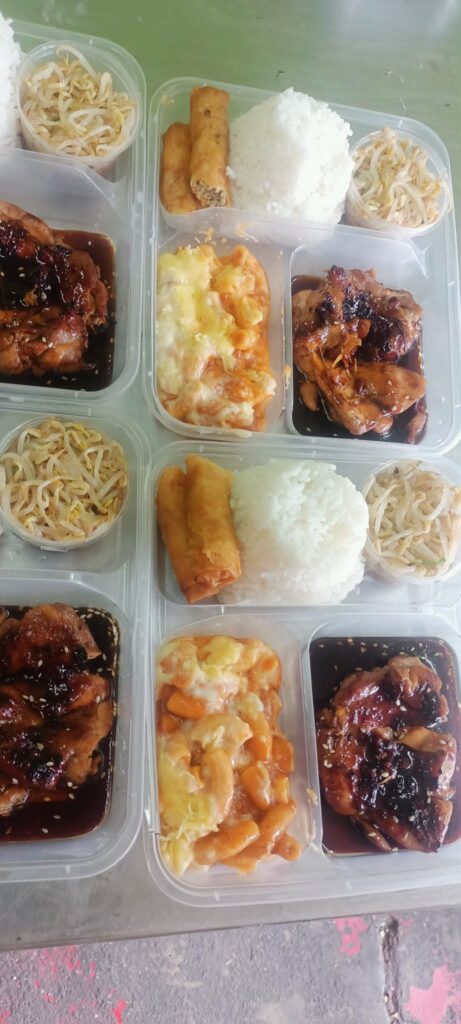
Distributing packed meals to 100 or more people can become chaotic if the order arrives without a clear receiving and release plan. Even when every meal is prepared correctly, long queues, misplaced special meals, unclear group assignments, or poor distribution points can slow down the entire event.
A simple distribution system can help your team receive the order, verify quantities, separate meals by group, identify special meals, and serve participants more efficiently.
View Packed Meal PackagesWhy Large Packed Meal Orders Need a Distribution Plan
Delivering 20 meals to one meeting room is very different from distributing 150, 300, or more meals across a large event.
Once a bulk order arrives, your team still needs to receive it, confirm the quantity, organize the meals, direct participants, protect special orders, and resolve any last-minute changes.
Assign One Main Receiving Contact
The delivery team should know exactly who is authorized to receive the order.
Give the caterer the name and mobile number of the person who will be physically present at the delivery point.
This person should know the order quantity, expected delivery window, distribution location, and any special meal instructions.
Choose the Distribution Area Before the Meals Arrive
Do not wait for the delivery vehicle before deciding where hundreds of meals will be placed.
Select an area that can handle the volume of meals and the number of people who will be receiving them.
A Good Distribution Area Should Have:
- Enough table or counter space
- Clear access from the receiving point
- Space for participants to queue
- Separate room for special meals if needed
- Minimal interference with event traffic
Verify the Quantity Before Distribution Starts
Large orders should be checked while the receiving team still has a clear view of the delivery.
Compare the delivered quantity against the confirmed order and identify any separate meal groups or special meals before participants begin picking up food.
Separate Meals by Group When Possible
One large pile of meals can create unnecessary confusion.
If the order serves several departments, seminar rooms, teams, floors, or workgroups, separating meals before release can make distribution much easier.
| Group | Quantity | Distribution Point |
|---|---|---|
| Group A | 40 meals | Table 1 |
| Group B | 35 meals | Table 2 |
| Group C | 25 meals | Table 3 |
| Special Meals | Separate count | Coordinator only |
The figures above are only an example of how groups may be organized during distribution.
Keep Special Meals Away From General Distribution
Special meals should not accidentally disappear into the regular meal line.
If approved dietary or special meals are included in the order, keep them under the control of one coordinator until they can be handed to the intended recipients.
Avoid Calling Everyone to the Distribution Area at Once
A single rush can create long queues even when meals are already prepared.
For large groups, consider releasing participants by department, room, table, team, floor, or another logical grouping.
By Room
Useful for seminars, training programs, and conferences.
By Department
Useful for company events and employee activities.
By Table
Useful when participants are already seated in assigned areas.
Use More Than One Distribution Table for Large Groups
One table can become a bottleneck.
If the venue allows it, use several distribution points instead of forcing everyone through one line.
Each table can be assigned to a particular group or meal category so participants know where to go.
Use Simple Signs or Labels
Clear signs reduce the number of questions coordinators have to answer repeatedly.
Example Distribution Signs
Assign Enough People to Help With Distribution
One coordinator may not be enough for several hundred meals.
Assign enough people to manage the queue, hand out meals, protect special orders, answer participant questions, and monitor remaining quantities.
Possible Roles
- Receiving coordinator
- Quantity checker
- Distribution table staff
- Special meal coordinator
- Queue or participant-flow coordinator
Schedule Delivery Before the Distribution Window
Your team needs time to receive and organize the order.
A large delivery should not arrive at the exact moment hundreds of participants are told to collect lunch.
Discuss a suitable delivery window with the caterer so there is enough time for receiving, verification, and distribution setup.
Plan for Participants in Different Rooms or Floors
A central delivery point may not be the final destination.
If the event uses several rooms or floors, decide whether participants will come to one distribution area or whether staff will move the meals to each location.
For multiple buildings or addresses, discuss the delivery arrangement with the caterer before placing the order.
Keep a Simple Count as Meals Are Released
Monitoring quantities can help identify distribution problems early.
You do not necessarily need a complex tracking system. For structured events, a simple count by team or group can help coordinators know whether a section has already received its meals.
| Group | Expected | Distributed |
|---|---|---|
| Room A | 40 | ✓ |
| Room B | 35 | ✓ |
| Room C | 25 | Pending |
Keep a Small Problem-Resolution Area
Do not stop the entire line because one participant has a question.
If a name is missing, a participant is unsure which meal to take, or a special meal needs verification, direct the issue to a coordinator away from the main distribution line.
This allows distribution to continue while individual problems are resolved.
Keep the Distribution Area Clear After Release
Guests should move away from the pickup table after receiving food.
Avoid placing drinks, condiments, registration materials, or unrelated activities directly at the same table if they cause people to remain in the pickup area.
Example Distribution Setup for 200 Guests
A simple distribution layout might divide the order by group rather than placing all 200 meals at one station.
This is only an example. Grouping should follow the actual venue, program, and participant structure.
Packed Meal Distribution Checklist
- ✓ Receiving contact assigned
- ✓ Distribution area prepared
- ✓ Delivered quantity verified
- ✓ Meals separated by group
- ✓ Special meals protected
- ✓ Distribution tables labeled
- ✓ Release schedule prepared
- ✓ Enough coordinators assigned
- ✓ Multi-room logistics confirmed
- ✓ Quantity tracking prepared
- ✓ Problem-resolution point assigned
- ✓ Meal pickup pathways kept clear
Get the Order Details Right Before Distribution Day
Before finalizing your order, review our guides on what to ask before ordering packed meals and common packed meal ordering mistakes .
Need Packed Meals for a Large Group?
Once you know your quantity, meal time, delivery location, and distribution requirements, explore Executive Gourmet’s packed meal packages for available menus, package levels, pricing, and quotation options.
Frequently Asked Questions About Large Packed Meal Distribution
Make Large Meal Distribution Easier
Receive the order early, organize meals by group, protect special meals, and use a clear distribution system before participants begin lining up.