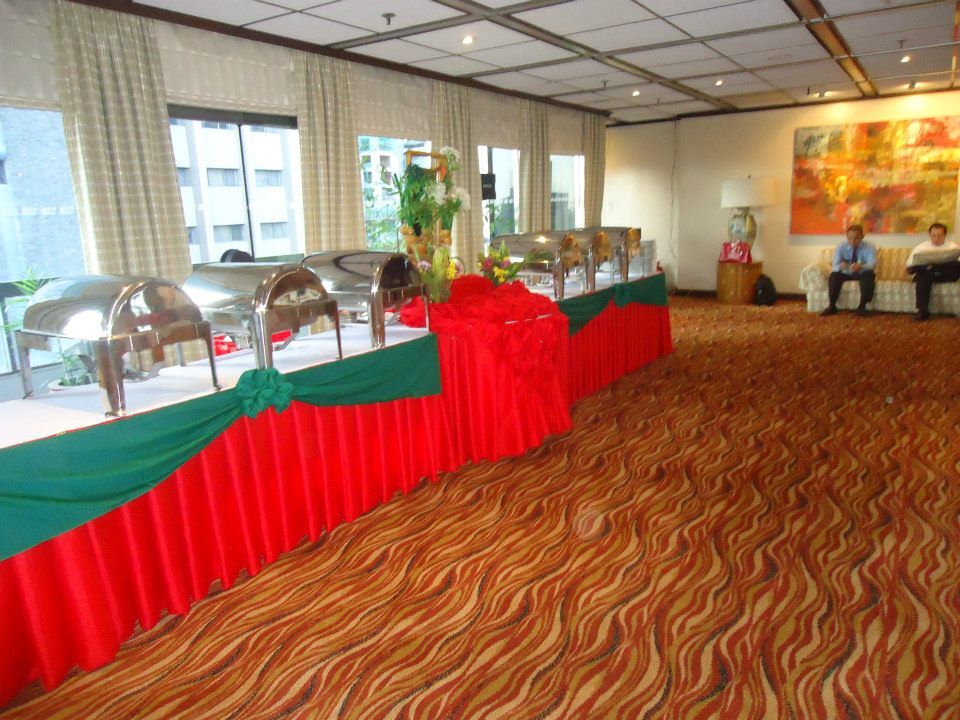
Even a good menu can create problems if the headcount, service schedule, venue access, buffet setup, or dietary requirements are not coordinated properly.
Here are some of the most common catering mistakes that can disrupt seminars, workshops, conferences, and employee training programs — and what organizers can do to avoid them.
View Seminar & Training PackagesWhy Catering Problems Can Affect the Training Program
Food service during a corporate training event is closely connected to the program schedule. If meals arrive too late, the lunch break may extend. If the buffet is not ready when participants are released, the next session may start late.
Other problems can arise from inaccurate headcounts, limited venue access, poor buffet placement, or dietary requirements that were communicated too late.
Avoiding these issues begins with recognizing where catering arrangements commonly go wrong.
Confirming the Headcount Too Late
Participant numbers affect food quantities, service arrangements, and production requirements.
Registration lists often change as the event approaches. Some participants cancel, others are added, and trainers or support personnel may be forgotten when the meal count is prepared.
Waiting until the last moment to establish a realistic headcount can make catering coordination more difficult.
Include More Than Registered Participants
- Trainers
- Facilitators
- Guest speakers
- HR and organizing staff
- Technical personnel
- Other support staff requiring meals
Scheduling Food Service Without Checking the Program
Catering should support the training schedule, not compete with it.
A lunch delivery time may look reasonable on paper but still create problems if the training facilitator plans to continue a session beyond that time.
Likewise, setting an afternoon snack break without checking the actual program can interrupt a workshop, assessment, or group activity.
Choosing a Menu That Is Too Heavy or Too Repetitive
More dishes do not automatically create a better seminar menu.
Several rich or similar dishes served together can make the menu feel repetitive.
For multi-day programs, repeating the same type of meal or snack every day can also reduce variety for participants.
Instead, aim for contrast in proteins, preparation styles, vegetables, snacks, and desserts.
For additional menu guidance, see our article on food for corporate seminars and training .
Forgetting About Venue Access
A confirmed catering schedule can still fail if suppliers cannot reach the venue on time.
Office buildings, hotels, training centers, condominiums, and commercial venues may have supplier entrance procedures, security checks, loading areas, elevator restrictions, or required permits.
Confirm These Details With the Venue
- Supplier entrance
- Ingress schedule
- Loading area
- Parking arrangements
- Elevator access
- Security procedures
- Required permits
- Venue contact person
Putting the Buffet in the Wrong Place
Buffet location can affect both food service and participant movement.
A buffet positioned near the presentation screen, registration desk, stage, or main entrance can create unnecessary congestion.
For larger groups, narrow serving areas can also create queues that consume a significant portion of the meal break.
Not Allowing Enough Time for Large Groups to Eat
A meal break that works for 20 people may not work for 200.
Larger participant groups require additional time for people to leave their seats, queue for food, find a dining area, eat, and return to the training room.
The service arrangement should therefore be considered alongside the size of the group.
For Larger Groups, Consider:
- Buffet placement
- Number of serving points
- Available dining space
- Length of the scheduled break
- Participant flow through the venue
Communicating Dietary Requirements at the Last Minute
Known dietary requirements should be collected early.
Training programs may include employees or guests with vegetarian, religious, allergy-related, or other dietary requirements.
If approved special meals are required, communicate both the requirements and quantity to the catering provider before the agreed deadline.
Forgetting Coffee, Tea and Water
Beverages can be especially important during longer training programs.
Participants may remain at the venue for several hours, so water and appropriate beverage service should be considered alongside meals and snacks.
If a beverage station is used, place it somewhere accessible without creating distractions inside the main training area.
Assuming the Venue Will Provide Everything
Catering equipment, tables, chairs, linens, and dining ware may come from different suppliers.
Confirm what is included in the catering arrangement and what is provided by the venue.
This prevents duplicate rentals and avoids discovering on the event day that an important item was never assigned to anyone.
| Item | Confirm Provider |
|---|---|
| Buffet tables | Caterer / venue / other supplier |
| Guest tables and chairs | Caterer / venue / other supplier |
| Table linens | Caterer / venue / other supplier |
| Dining ware | Caterer / venue / other supplier |
| Beverage equipment | Caterer / venue / other supplier |
Failing to Assign an On-Site Contact Person
The catering team should know who can make decisions at the venue.
An on-site contact person can help with supplier access, setup location, schedule changes, and other operational concerns.
Ideally, choose someone familiar with the program who will also be reachable while the catering team is setting up.
Sending Important Details Across Too Many Separate Messages
Scattered instructions increase the chance that an important update will be missed.
Event details often change during planning. Headcount may be in one email, the updated service time in another, and venue instructions in a separate message.
Before the event, send a consolidated confirmation containing the current agreed details.
Final Confirmation Should Include:
- Event date
- Complete venue address
- Final participant count
- Confirmed menu
- Meal and snack times
- Special meal requirements
- Venue access instructions
- On-site contact information
Choosing a Catering Package Without Matching It to the Program
Seminar catering should reflect the actual length and structure of the event.
A short morning seminar does not necessarily need the same food-service arrangement as a full-day workshop or multi-day training program.
Consider how many meal periods fall within the event, what breaks are available, and how long participants will remain at the venue.
Match Catering to the Program
Choose Catering That Fits the Training Program
Executive Gourmet’s seminars and training catering packages provide options for corporate seminars, workshops, conferences, and employee training programs with different schedules and meal requirements.
Frequently Asked Questions
Avoid Last-Minute Catering Problems
Match the menu, participant count, food-service schedule, venue requirements, and catering setup to the structure of your seminar or training program.