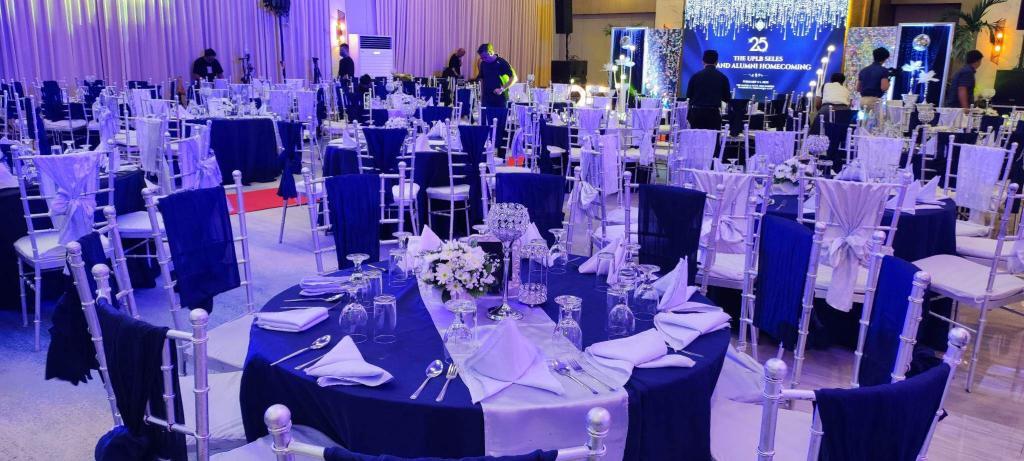
A full-day training program requires more than one meal break. Breakfast, lunch, afternoon snacks, beverages, participant headcount, venue access, and the training schedule should all be coordinated so food service supports the program instead of interrupting it.
This guide explains how to organize catering for an all-day seminar, workshop, employee training session, or corporate learning event.
View Seminar Catering PackagesStart With the Training Schedule
The catering plan should follow the training program rather than being added after the schedule has already been finalized.
Identify when participants will arrive, when sessions begin, how long each training block will run, and when breaks are planned.
Once those times are clear, meal and refreshment service can be arranged around them.
Example Full-Day Training Meal Schedule
The actual schedule will depend on your program, but a full-day training event may follow a structure similar to this:
| Time | Activity | Catering Consideration |
|---|---|---|
| 8:00 AM | Participant arrival | Breakfast or coffee service |
| 9:00 AM | Training session | Beverage station available |
| 12:00 NN | Lunch break | Lunch buffet ready before break |
| 1:00 PM | Afternoon session | Coffee, tea, and water available |
| 3:00 PM | Afternoon break | PM snacks |
| 5:00 PM | Program ends | Service concludes unless dinner is required |
This is only a sample schedule. Coordinate the actual service times with your caterer based on your training program.
Decide Whether Breakfast Service Is Needed
Morning training programs often begin before participants have had time to eat.
Breakfast service can be useful when employees are expected to arrive early or when the program begins immediately after registration.
Serving breakfast before the formal training begins can also prevent the first session from being interrupted by late meal arrangements.
Plan Coffee, Tea and Water Service
Beverage service is especially useful during longer professional events.
A dedicated beverage station allows participants to get coffee, tea, or water during appropriate breaks without requiring a separate service each time.
Position the station somewhere accessible but away from the main presentation area so participants can use it without disturbing the session.
Have Lunch Ready Before the Break Starts
Lunch service should not consume a large portion of the training break.
Coordinate with the catering team so the buffet is ready before participants are released for lunch.
This allows attendees to begin eating shortly after the session ends and helps the organizer restart the program on time.
Include an Afternoon Snack Break
Full-day programs often benefit from a scheduled afternoon refreshment period.
An afternoon snack gives participants a planned break before the final training sessions.
Coordinate the snack service with the facilitator so the break happens at a natural stopping point rather than in the middle of an important activity.
Confirm the Training Headcount
Your meal requirement may include more people than the registered trainees.
Participants
Employees, delegates, trainees, and invited guests.
Trainers & Facilitators
Internal instructors, external trainers, and speakers.
Organizers
HR staff, event coordinators, and registration personnel.
Technical Personnel
AV staff, IT support, and other event personnel requiring meals.
Check the Training Venue Before Finalizing Catering
Offices, training rooms, conference halls, hotels, and private venues can have very different catering requirements.
Confirm These Venue Details
- Supplier entrance
- Loading and unloading area
- Ingress schedule
- Elevator access
- Buffet setup area
- Beverage station location
- Venue restrictions
- On-site contact person
Keep Food Service Separate From the Training Area When Possible
If the venue has enough space, keeping the buffet and beverage station slightly away from the presentation area can help minimize distractions.
In smaller training rooms, coordinate the setup carefully so food-service traffic does not block presentation equipment, walkways, or participant seating.
Collect Special Meal Requirements Before the Event
Corporate training programs often involve participants from different departments, offices, or organizations.
Ask attendees to identify known dietary requirements during registration and communicate approved special meal requests to the caterer before the required deadline.
Full-Day or Half-Day Catering?
The right arrangement depends mainly on how long participants will remain at the venue.
| Program Type | Typical Catering Need |
|---|---|
| Short morning program | Breakfast and lunch may be sufficient |
| Full-day training | Breakfast, lunch, afternoon snacks, and beverages |
| Extended conference or retreat | Breakfast, lunch, snacks, dinner, and continuous beverages |
Executive Gourmet’s seminar and training catering packages are structured around half-day, full-day, and extended programs, allowing organizers to match food service with the length of the event.
Confirm the Details Before Training Day
Before the event, send one final confirmation containing the operational details the catering team needs.
- Event date
- Complete venue address
- Final participant count
- Selected menu
- Special meals
- Breakfast time
- Lunch time
- PM snack schedule
- Venue access instructions
- On-site contact person
Frequently Asked Questions About Full-Day Training Catering
Planning a Full-Day Corporate Training?
Match your breakfast, lunch, snacks, beverages, and service schedule with the structure of your training program.