Office Pantry vs Catered Meals: Which Is Better for Your Company?
Compare the cost, convenience, variety, administration, food quality, and employee experience of maintaining an office pantry versus providing catered meals.
Choosing between an office pantry and catered meals is not simply a question of which option costs less. Companies must also consider employee headcount, work schedules, available space, food preparation requirements, purchasing workload, wastage, menu variety, and the type of employee experience they want to provide.
An office pantry can be practical for snacks, beverages, light meals, and flexible self-service access. Catered meals are often more suitable when a company wants complete, scheduled meals with controlled portions, predictable service, and less internal food preparation.
What Is an Office Pantry?
An office pantry is a company-managed area where employees can access food, beverages, snacks, or basic meal ingredients. Depending on the workplace, it may include refrigerators, microwave ovens, water dispensers, coffee equipment, storage cabinets, tables, and food preparation areas.
Common Pantry Items
- Coffee, tea, water, and beverages
- Biscuits, bread, fruit, and snacks
- Instant noodles and ready-to-heat food
- Condiments and basic utensils
- Company-provided or employee-brought meals
What Are Catered Office Meals?
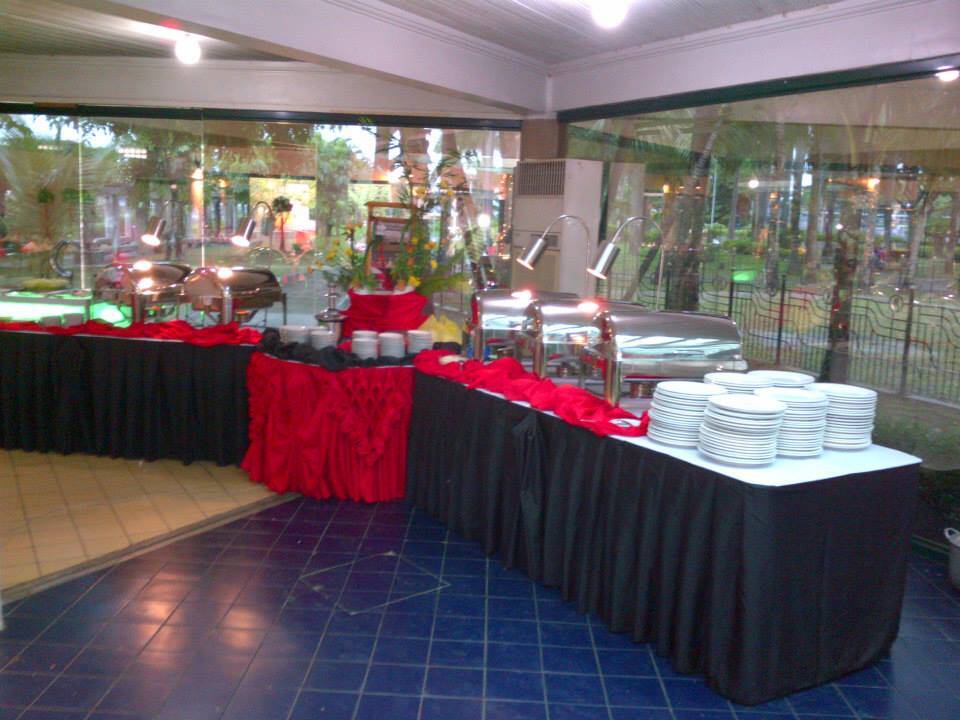
Catered office meals are prepared by an external food provider and delivered to the workplace at an agreed schedule. Meals may be individually packed, served buffet-style, delivered in trays, or distributed through a recurring employee meal program.
Common Catering Arrangements
- Daily packed meals
- Scheduled lunch or dinner delivery
- Shift and overtime meals
- Training and meeting meals
- Buffet or managed workplace meal service
Office Pantry vs Catered Meals
The best option depends on how your employees work, what type of food you want to provide, and how much internal administration your company can support.
| Factor | Office Pantry | Catered Meals |
|---|---|---|
| Primary Purpose | Snacks, drinks, light meals, and self-service access | Complete scheduled meals for employees |
| Convenience | Employees can access items throughout the day. | Meals arrive ready for distribution or service. |
| Internal Workload | Requires purchasing, stocking, cleaning, and inventory control. | Supplier handles preparation and scheduled delivery. |
| Menu Variety | Usually limited to stocked items and simple preparation. | Can provide rotating complete meals and planned menus. |
| Cost Predictability | Costs may fluctuate due to uncontrolled consumption and replenishment. | Price is normally based on confirmed meal quantity and package. |
| Food Preparation | Employees may need to prepare or reheat food. | Meals are prepared before delivery. |
| Space Requirement | Requires storage, appliances, counters, and dining space. | Requires receiving and meal distribution space. |
| Waste Risk | Expired, unused, or overstocked pantry items | Unclaimed meals when quantities are inaccurate |
| Scalability | More difficult as headcount and locations increase | Can scale through planned quantities and delivery schedules |
| Best Use | Refreshments, snacks, and flexible employee access | Regular lunches, shift meals, meetings, and employee programs |
Office Pantry
Main Advantages
- Available outside fixed meal schedules
- Suitable for beverages and light refreshments
- Employees can choose when to consume items
- Useful for small offices with changing attendance
Main Limitations
- Requires regular purchasing and inventory monitoring
- Consumption can be difficult to control
- Complete nutritious meals may not be available
- Cleaning and pantry maintenance remain company responsibilities
Catered Meals
Main Advantages
- Complete meals arrive ready for employees
- Easier per-meal budgeting and portion control
- Less internal food preparation
- Suitable for larger teams and fixed schedules
Main Limitations
- Requires accurate headcount and ordering cutoffs
- Late cancellations can cause wastage
- Delivery timing must match company operations
- Supplier performance must be monitored
Which Option Costs Less?
An office pantry may initially appear less expensive, especially when it provides only coffee, water, and simple snacks. However, the total pantry cost should include appliances, electricity, supplies, replenishment, employee time, cleaning, storage, spoilage, and uncontrolled consumption.
Catered meals usually have a clearer cost per employee because the company orders a defined number of meals at an agreed price. Costs may include delivery, packaging, utensils, service personnel, or equipment depending on the arrangement.
Costs to Include
Which Option Is Best for Your Company?
Match the meal arrangement to your workforce size, schedule, facility, and service objective.
Flexible, Light Consumption
Best for small teams, irregular attendance, beverages, snacks, breakfast items, and employees who bring or purchase their own main meals.
Complete Scheduled Meals
Best for larger teams, regular office attendance, fixed shifts, training programs, overtime work, and companies providing complete meals.
Hybrid Meal Program
Maintain a basic pantry for drinks and snacks while using catered meals for lunch, shifts, meetings, training, and scheduled company events.
The Hybrid Pantry and Catering Model
A hybrid arrangement allows the company to provide continuous access to basic refreshments while controlling the cost and quality of complete meals through scheduled catering.
For example, a company may stock coffee, water, bread, and snacks in the pantry, then provide packed lunches on selected days or for employees assigned to specific shifts.
- Pantry for drinks
- Pantry for light snacks
- Catering for complete meals
- Catering for special schedules
Office Meal Decision Checklist
Review these questions before deciding which approach to use.
- ☐ Do employees need complete meals or only snacks?
- ☐ Is daily attendance predictable?
- ☐ Are there fixed shifts or meal schedules?
- ☐ Is sufficient pantry and dining space available?
- ☐ Who will purchase and replenish pantry items?
- ☐ Can the company monitor inventory and wastage?
- ☐ Does the company need fixed per-meal pricing?
- ☐ Are delivery and distribution procedures available?
Common Mistakes to Avoid
| Mistake | Better Approach |
|---|---|
| Comparing food price only | Compare total operating cost. |
| Ignoring employee schedules | Match food availability to actual shifts. |
| Overstocking pantry items | Track usage and expiry dates. |
| Ordering meals for total headcount | Use confirmed attendance. |
| No assigned program owner | Assign administrative responsibility. |
| No employee feedback | Review satisfaction and menu preferences. |
Office Pantry vs Catered Meals FAQs
Plan a Better Employee Meal Program
Employee Meal Plans for Companies
Learn how to structure regular company meals, budgets, schedules, menus, and employee participation.
View Employee Meal PlansPacked Meals for Employees
Review packed meal options for offices, regular shifts, overtime work, meetings, and company activities.
View Packed Meal OptionsNeed Catered Meals for Your Office?
Tell us your expected headcount, office location, meal schedule, budget, and preferred service frequency. We can help plan packed meals, scheduled workplace deliveries, meetings, training meals, and recurring employee meal programs.
Final Verdict: Office Pantry or Catered Meals?
Choose an office pantry when employees mainly need beverages, snacks, and flexible self-service access. Choose catered meals when the company wants complete, scheduled meals with clearer portions, pricing, and supplier responsibility.
For many workplaces, the strongest solution is a hybrid program: maintain a simple pantry for everyday refreshments and use professional catering for complete meals, fixed shifts, meetings, training, and company events.