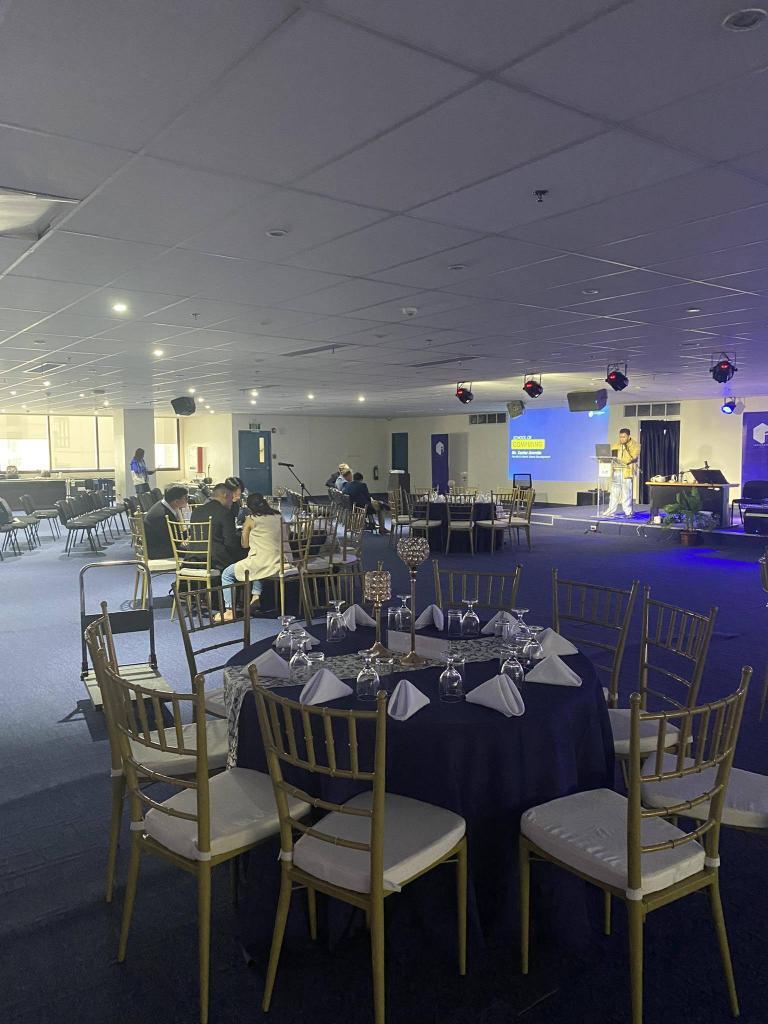
Call Center Catering Services
Reliable packed meals, night-shift food, training meals, overtime meals, snacks, coffee, and recurring workplace catering for call centers operating across multiple shifts.
Executive Gourmet helps call center operations coordinate meal delivery around agent schedules, fixed break periods, training classes, changing headcounts, building access, and continuous customer service requirements.
Plan Your Call Center Meals
Share the following information so our team can recommend a suitable meal and delivery arrangement.
-
Office location
Building, floor, site, and receiving area -
Shift schedule
Day, mid, night, graveyard, or weekend -
Meal volume
Expected meals per shift or training batch -
Program type
Daily meals, subsidy, overtime, training, or event
Call centers often operate beyond regular office hours. Agents may work morning, afternoon, evening, overnight, weekend, holiday, and overtime schedules.
Catering must therefore be planned around operational staffing, fixed break periods, call-volume requirements, training schedules, building access, and the availability of authorized employees to receive each delivery.
Executive Gourmet provides flexible call center catering for customer service teams, technical support operations, sales accounts, help desks, collections teams, back-office departments, and shared service facilities across Metro Manila.
Call Center Catering Guide
Why Call Center Catering Requires Careful Planning
Meal service must support agent availability without affecting queues, service levels, and customer response.
Fixed Agent Breaks
Meals must be available before scheduled breaks because agents may have limited time away from calls.
Multiple Shifts
Separate delivery batches may be required for day, mid, night, graveyard, and weekend teams.
Changing Headcounts
Absences, schedule changes, overtime, leave, and account movements can affect daily quantities.
Short Distribution Time
Meals should be easy to count and distribute quickly to employees released in groups.
Overnight Receiving
Night deliveries require clear security, loading, elevator, and receiving procedures.
Training Batches
New-hire classes may require separate menus, quantities, schedules, labels, and cost centers.
Menu Variety
Regular employees need rotating menus to reduce repetition and meal dissatisfaction.
Reporting
HR, operations, facilities, and finance may need records by site, shift, account, and department.
Common Call Center Catering Uses
Regular Agent Meals
Daily lunch or dinner for scheduled operations teams.
Night-Shift Meals
Food for employees reporting in the evening or overnight.
Overtime Food
Meals for extended hours during peak call volumes.
New-Hire Training
Meals and snacks for training, assessments, and nesting.
Town Hall Meetings
Catering for company updates and leadership sessions.
Employee Recognition
Meals for incentives, awards, anniversaries, and events.
Recruitment Activities
Snacks for applicants, interviewers, and recruitment teams.
Client Visits
Executive meals for visiting account representatives.
Call Center Catering Options
Individually Packed Meals
Packed meals support fast distribution, individual portions, simple headcount verification, and easier allocation across teams.
View Packed Meal PackagesNight-Shift Meal Delivery
Scheduled meals for agents working evening, graveyard, overnight, weekend, and holiday shifts.
- Shift-specific quantities
- Late delivery coordination
- Authorized night receiver
- Building-access planning
Training Meals
Breakfast, snacks, lunch, dinner, and coffee for new-hire classes, product training, nesting, and upskilling programs.
Training Catering GuideCoffee and Snack Service
Coffee, tea, juice, pastries, sandwiches, pasta, noodles, and snack boxes for meetings and training.
Employee Event Catering
Buffet or packed meal service for town halls, awards programs, company anniversaries, and celebrations.
View Event PackagesEmployee Meal Subsidies
Company-paid, fixed-subsidy, shared-cost, or shift-based meal benefit arrangements.
Meal Subsidy GuidePlanning Meals Around Agent Shifts
Each shift should have a clearly defined order quantity, meal period, delivery window, receiver, and distribution point.
| Shift | Typical Meal | Main Control |
|---|---|---|
| Morning | Breakfast, snack, or lunch | Traffic and early building access |
| Mid Shift | Lunch, snack, or dinner | Overlap with other meal batches |
| Night Shift | Dinner or late meal | After-hours receiving and security |
| Graveyard Shift | Overnight meal or breakfast | Authorized receiver and elevator access |
| Weekend | Reduced-volume regular meals | Accurate attendance and building access |
| Overtime | Additional meal or snack | Short-notice approval and quantity cutoff |
Record for Every Shift
- Covered employee group
- Meal entitlement
- Estimated quantity
- Final confirmation cutoff
- Delivery window
- Receiving contact
- Distribution location
Meal Distribution During Fixed Agent Breaks
Agents may be released in groups to maintain enough staffing on the production floor. Catering distribution should therefore be simple, organized, and fast.
Avoid Long Meal Queues
For short breaks, individually packed meals or pre-arranged distribution stations may be more practical than a single buffet line.
Call Center Training and Onboarding Meals
New-hire training can run for several days or weeks and may include orientation, communication training, product knowledge, systems training, assessments, and nesting.
Training meals should account for trainees, trainers, quality personnel, facilitators, recruitment teams, technical support, and employees attending selected modules.
- Breakfast before early classes
- Morning and afternoon snacks
- Packed or buffet lunch
- Dinner for evening classes
- Rotating multi-day menus
- Attendance and quantity adjustments
Keep Training Orders Separate
Separate training meals from production-floor orders to improve quantity control, labeling, billing, and reporting.
Read the Training Catering GuideMenu Rotation for Call Center Employees
Repeating the same meals too frequently can reduce participation and employee satisfaction. A menu cycle helps balance variety, budget, production, and approval.
| Menu Area | Recommended Control |
|---|---|
| Protein | Rotate chicken, pork, beef, fish, and approved alternatives. |
| Cooking style | Vary fried, grilled, braised, roasted, and sauced dishes. |
| Side dishes | Rotate vegetables, noodles, pasta, and other accompaniments. |
| Snacks | Alternate sandwiches, pastries, pasta, noodles, and local snacks. |
| Feedback | Review favorites, rejected dishes, complaints, and waste. |
Use an Approved Menu Cycle
A two-week or four-week cycle can reduce repetition while simplifying advance menu approval and budgeting.
Managing Daily Call Center Meal Quantities
Daily order quantities should reflect the best available attendance data rather than only the total number of employees assigned to an account or site.
- Prepare an initial forecast.
- Confirm quantities by shift.
- Account for approved leave and rest days.
- Separate training and operations orders.
- Set a final change cutoff.
- Record delivered and accepted meals.
- Review shortages, excess meals, and wastage.
Agree on the Billing Basis
The contract should state whether billing uses:
- Guaranteed quantity
- Final confirmed quantity
- Delivered quantity
- Accepted quantity
- Another documented basis
Food Safety for Call Center Catering
Call center meals may be prepared in large batches, transported through traffic, received in secured buildings, and distributed across several shifts and floors.
- Use clean food-grade packaging.
- Verify meal quantities before dispatch.
- Label dietary meals clearly.
- Maintain organized transport and receiving.
- Distribute meals promptly after delivery.
- Record food-quality complaints.
- Use documented corrective-action procedures.
Corporate Food-Safety Guide
Review preparation, packaging, transportation, receiving, allergens, complaint handling, and supplier controls.
Read the Food-Safety GuideDelivery Planning for Call Center Offices
Call center sites may be located in high-rise offices, business parks, and secured buildings with strict supplier entry procedures.
- Complete site and building address
- Tower, floor, and receiving area
- Loading-bay or parking instructions
- Gate passes and security clearance
- Vehicle and driver requirements
- Service elevator schedule
- Receiver for every shift
- Emergency escalation contact
After-Hours Delivery
Confirm whether loading areas, elevators, reception, and building administrators operate differently at night, on weekends, or during holidays.
Separate Receiving Contacts
Day, evening, and graveyard deliveries may each require a different authorized employee.
Call Center Catering Procurement Controls
| Area | Requirement to Define |
|---|---|
| Coverage | Sites, accounts, departments, shifts, training groups, and events |
| Volume | Estimated, minimum, maximum, and guaranteed quantities |
| Pricing | Meals, packaging, delivery, taxes, staff, and optional services |
| Order changes | Deadlines for additions, reductions, cancellation, and overtime meals |
| Food safety | Permits, controls, records, incident response, and corrective action |
| Service levels | Delivery punctuality, order accuracy, replacements, and complaints |
| Reporting | Records by site, account, shift, department, and cost center |
| Continuity | Backup plans for traffic, vehicle, staffing, weather, and kitchen disruption |
Suggested Call Center Catering KPIs
| KPI | Measures |
|---|---|
| On-time delivery | Meals received within the approved shift window |
| Order accuracy | Correct quantities, meal types, and labels |
| Dietary meal accuracy | Correct preparation and labeling of special meals |
| Packaging compliance | Clean, sealed, intact, and properly presented meals |
| Complaint rate | Verified complaints compared with meals delivered |
| Replacement time | Response to missing or unacceptable meals |
| Invoice accuracy | Correct site, shift, quantity, price, and documents |
Measure Each Shift
Evaluate day, night, weekend, and training deliveries separately so recurring problems are easier to identify.
Call Center Meal Program Implementation
Define Requirements
Identify sites, shifts, meal periods, volumes, budgets, and employee eligibility.
Choose the Meal Model
Select packed meals, subsidies, event catering, training meals, or a combined program.
Approve Menus
Confirm menu cycles, prices, special meals, substitutions, and service inclusions.
Coordinate the Site
Arrange security, vehicles, elevators, receiving, and distribution locations.
Run a Pilot
Test quantities, timing, labeling, distribution, menu acceptance, and issue reporting.
Launch and Review
Monitor performance, complaints, wastage, feedback, invoicing, and corrective actions.
Call Center Catering Checklist
Operational Requirements
- ☐ Covered sites
- ☐ Agent shifts
- ☐ Break schedules
- ☐ Meals per shift
- ☐ Training meal requirements
- ☐ Order-change cutoff
- ☐ Delivery windows
- ☐ Receiving contacts
Commercial Requirements
- ☐ Meal budget or subsidy
- ☐ Menu cycle
- ☐ Dietary meal procedure
- ☐ Food-safety documentation
- ☐ Performance indicators
- ☐ Complaint escalation
- ☐ Invoice grouping
- ☐ Business continuity
Common Call Center Catering Mistakes
| Mistake | Possible Effect | Better Approach |
|---|---|---|
| Using one delivery for all shifts | Meals arrive too early or late for some agents | Use separate delivery windows by shift. |
| Ignoring agent break schedules | Meals are unavailable during assigned breaks | Plan backward from the official break time. |
| Ordering from outdated attendance | Excess meals, shortages, and higher costs | Use a defined final confirmation cutoff. |
| Mixing training and operations orders | Incorrect allocation and billing | Use separate labels, records, and cost centers. |
| No night receiving contact | Delivery cannot be accepted or verified | Assign an authorized contact for every shift. |
| Frequent menu repetition | Employee dissatisfaction and lower participation | Use a planned rotating menu cycle. |
| No service scorecard | Repeated problems remain informal | Review KPIs and corrective actions monthly. |
Call Center Catering FAQs
Continue Planning Your Call Center Meals
Corporate Catering Services
Explore catering for meetings, training, employee meals, packed meals, and company events.
View Corporate CateringBPO Catering
Review broader catering requirements for BPO companies and shared service operations.
Read the BPO GuideDaily Packed Meals
Plan recurring packed meal delivery for agents, teams, shifts, and workplace programs.
Read the Delivery GuideEmployee Meal Plans
Compare meal models, ordering, subsidies, budgets, delivery, and monitoring.
Read the Meal Plan GuideTraining Catering
Arrange meals for onboarding, product training, nesting, workshops, and multi-day classes.
Read the Training GuideCatering Food Safety
Review preparation, delivery, receiving, special meals, complaints, and supplier controls.
Read the Food-Safety GuidePlan Catering for Your Call Center
Send your office location, shift schedules, agent headcounts, meal periods, delivery windows, training requirements, and budget. Our team will prepare a customized catering proposal.
Catering That Supports Call Center Operations
Call center catering must fit agent schedules, fixed break windows, night operations, changing attendance, training batches, and secured office environments.
Individually packed meals are often practical because they support fast distribution and accurate portions. Buffet service may be more suitable for town halls, awards programs, celebrations, and larger employee events.
A recurring program should define menus, shift quantities, delivery windows, special meals, order cutoffs, receiving contacts, billing, performance standards, complaints, and corrective actions.
Executive Gourmet provides flexible catering for call centers and customer service operations across Metro Manila. Submit your requirements to receive a customized meal program and catering proposal.