Safe food preparation and handling are essential to maintaining the quality, cleanliness, and consistency of meals served in corporate canteens and workplace dining facilities.
A structured food handling process helps reduce food safety risks while ensuring that meals are properly received, stored, prepared, cooked, portioned, transported, and served under controlled conditions.
At Executive Gourmet, food handling procedures are incorporated throughout the food preparation process, from receiving ingredients to final meal service.
Receiving and Inspecting Food Ingredients
Food safety begins when ingredients are received. Deliveries should be inspected before they are accepted and transferred to their appropriate storage areas.
Key Receiving Practices
- Checking the general condition and freshness of ingredients
- Inspecting packaging for damage, leakage, or contamination
- Checking applicable expiration or use-by dates
- Separating raw ingredients from ready-to-eat products
- Transferring perishable products to appropriate storage promptly
- Rejecting ingredients that do not meet established quality requirements
These procedures help prevent unsuitable ingredients from entering the food preparation process.
Proper Food Storage
Ingredients are organized according to their storage requirements to help maintain quality and minimize contamination risks.
Dry ingredients should be stored in clean, dry areas away from potential sources of contamination. Refrigerated and frozen products require appropriate cold storage, while raw ingredients should be separated from cooked and ready-to-eat food whenever necessary.
Food items should also be properly covered, identified, and rotated to help maintain freshness and reduce unnecessary waste.
Personal Hygiene and Food Handler Practices
Employees involved in food preparation play an important role in maintaining food safety.
Personal Hygiene
- Proper and frequent handwashing
- Wearing clean work attire
- Keeping hair properly restrained
- Maintaining clean hands and fingernails
Safe Handling Practices
- Using appropriate protective equipment when required
- Avoiding unnecessary direct contact with ready-to-eat food
- Following workplace policies regarding illness and food handling
- Keeping food preparation areas clean and organized
Good personal hygiene helps reduce the possibility of contaminants being transferred to food during preparation and service.
Preventing Cross-Contamination
Raw ingredients can introduce microorganisms to cooked or ready-to-eat food when they are handled incorrectly.
Food preparation areas should therefore maintain separation between raw and cooked products whenever practical.
Food Preparation Procedures
Ingredients should be prepared in designated work areas using clean equipment and utensils.
Preparation activities may include washing, cutting, portioning, marinating, seasoning, and assembling ingredients before cooking.
Food should not remain unnecessarily exposed during preparation, particularly ingredients requiring controlled storage conditions. Prepared ingredients should be cooked promptly or returned to appropriate storage until needed.
Cooking and Temperature Control
Proper cooking and temperature management are important controls in food preparation.
Meals should be cooked thoroughly using procedures appropriate for the particular food being prepared. Kitchen personnel should monitor the cooking process and ensure food is properly prepared before it is released for service.
After cooking, meals intended for immediate service should be maintained under suitable holding conditions until portioning or serving.
Portioning and Meal Assembly
Cooked food should be portioned using clean utensils, containers, and food-contact surfaces.
For individually packed meals, containers should be suitable for the food being served and properly closed after assembly. Meals should be organized to minimize unnecessary handling before dispatch or distribution.
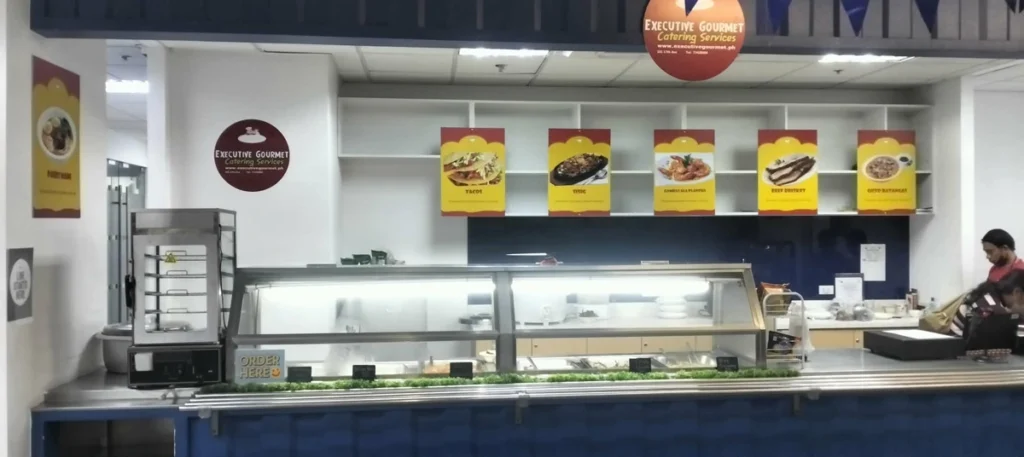
For on-site corporate canteen operations, prepared meals should be transferred to appropriate serving or holding equipment before service.
Food Holding and Serving
Prepared food should be protected from unnecessary exposure while waiting to be served.
Serving utensils, trays, containers, and food-contact equipment should be kept clean throughout operations. Food service personnel should also follow proper hygiene and handling practices when replenishing dishes or assisting diners.
Food that is no longer considered suitable for service should be removed according to established kitchen procedures.
Cleaning and Sanitation
Cleaning and sanitation should be incorporated into daily food preparation activities.
Regular Cleaning Areas Include:
- Preparation tables and work surfaces
- Cooking equipment
- Cutting boards and utensils
- Food containers
- Sinks and washing areas
- Floors and surrounding kitchen areas
- Food storage areas
- Food-contact equipment
Food-contact surfaces should be cleaned and sanitized as appropriate before being reused.
Waste Handling
Food waste and other kitchen waste should be collected in designated containers and removed from food preparation areas regularly.
Waste containers should be properly maintained to help prevent odors, contamination, and pest activity. Waste handling areas should also be separated from food preparation and storage areas whenever practical.
Food Handling During Transport
When meals are prepared at a commissary and transported to another location, food handling controls continue beyond the kitchen.
Meals should be appropriately packed and protected during loading, transport, unloading, and turnover. Containers and transport equipment should be maintained in a clean condition suitable for carrying prepared food.
Maintaining Consistent Food Handling Practices
Effective corporate food service depends on consistent procedures throughout receiving, storage, preparation, cooking, portioning, transport, and service.
Establishing clear responsibilities for kitchen and service personnel helps ensure that food handling practices are followed consistently during daily operations.
For organizations evaluating a food service provider, food preparation and handling procedures form part of a broader operational system that includes sanitation, staffing, menu planning, food safety controls, service management, and business continuity.
Corporate Canteen Food Service
Proper food preparation and handling procedures are an important part of maintaining reliable daily meal service for employees and workplace dining facilities.
Organizations looking for a complete workplace dining solution can learn more about Executive Gourmet’s corporate food service operations.
View Our Canteen Concessionaire Services