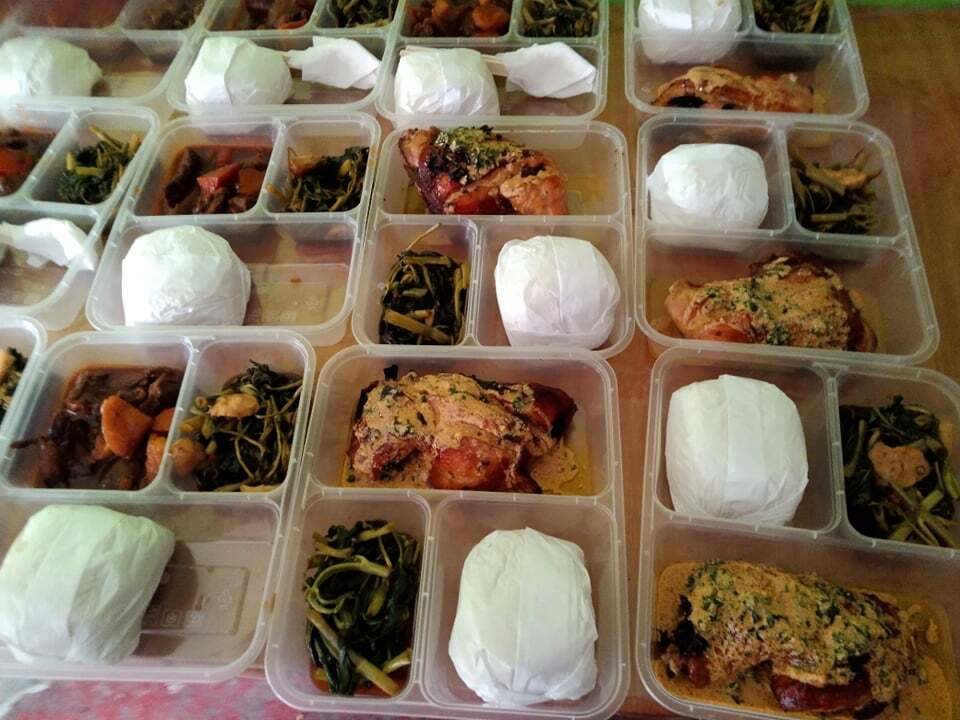
A well-managed food transfer process helps protect prepared meals as they move from the commissary or preparation facility to a corporate canteen or workplace dining location.
Food handling does not end after cooking. Proper packing, loading, transportation, unloading, and turnover procedures are important for maintaining food quality and reducing unnecessary exposure during delivery.
The following process outlines the key stages involved in transferring prepared meals for corporate food service operations.
Food Transfer Process Overview
Meal Preparation
Packing
Loading
Transport
Turnover
Preparation Before Transfer
The food transfer process begins after meals have been prepared and are ready for portioning, packing, or placement into appropriate food containers.
Before dispatch, food service personnel should check that the meals, quantities, containers, and required accompaniments are prepared for the intended delivery or service location.
- Verify the prepared menu items
- Check required meal quantities
- Prepare clean food containers
- Organize meals according to destination or service requirement
- Minimize unnecessary handling before packing
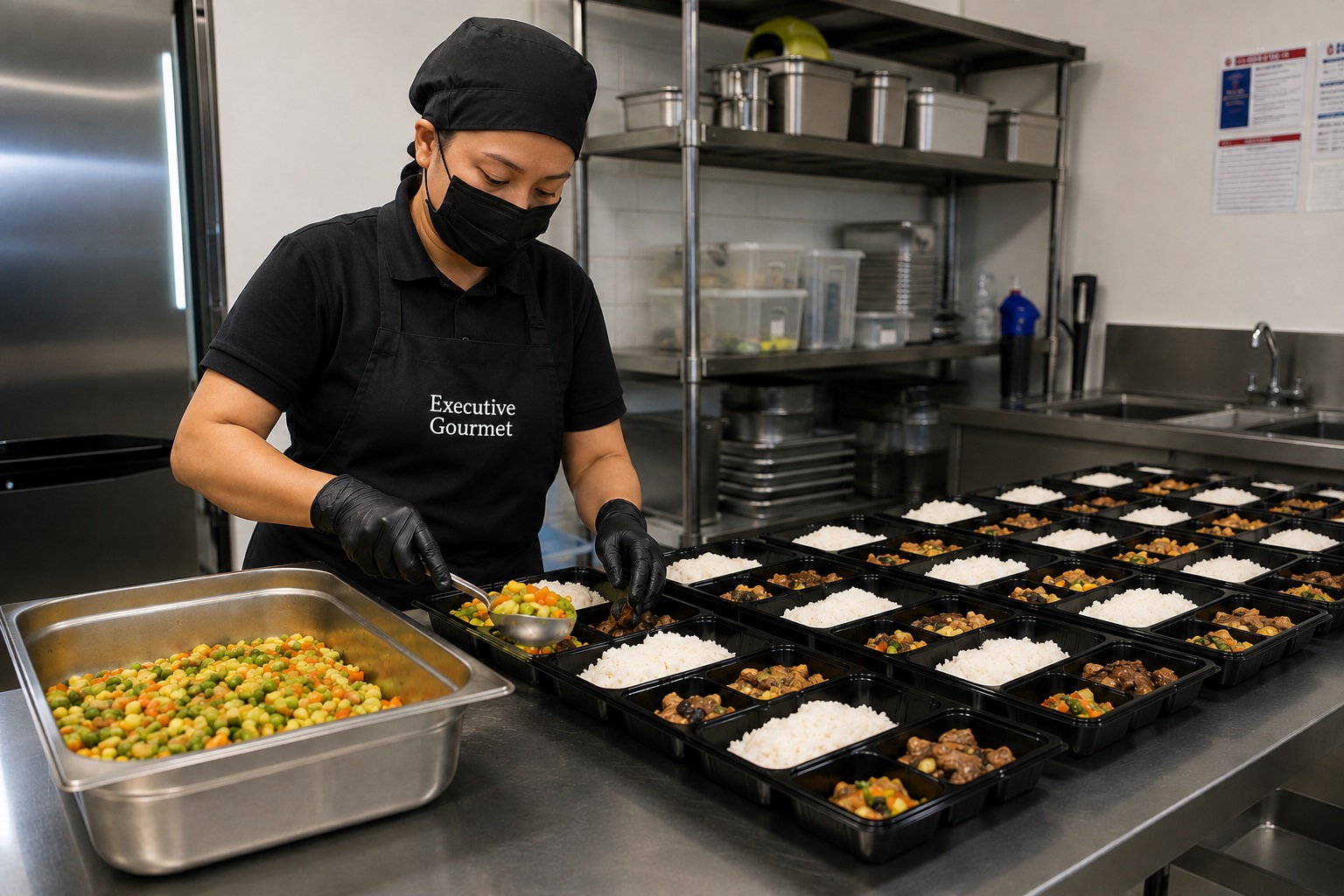
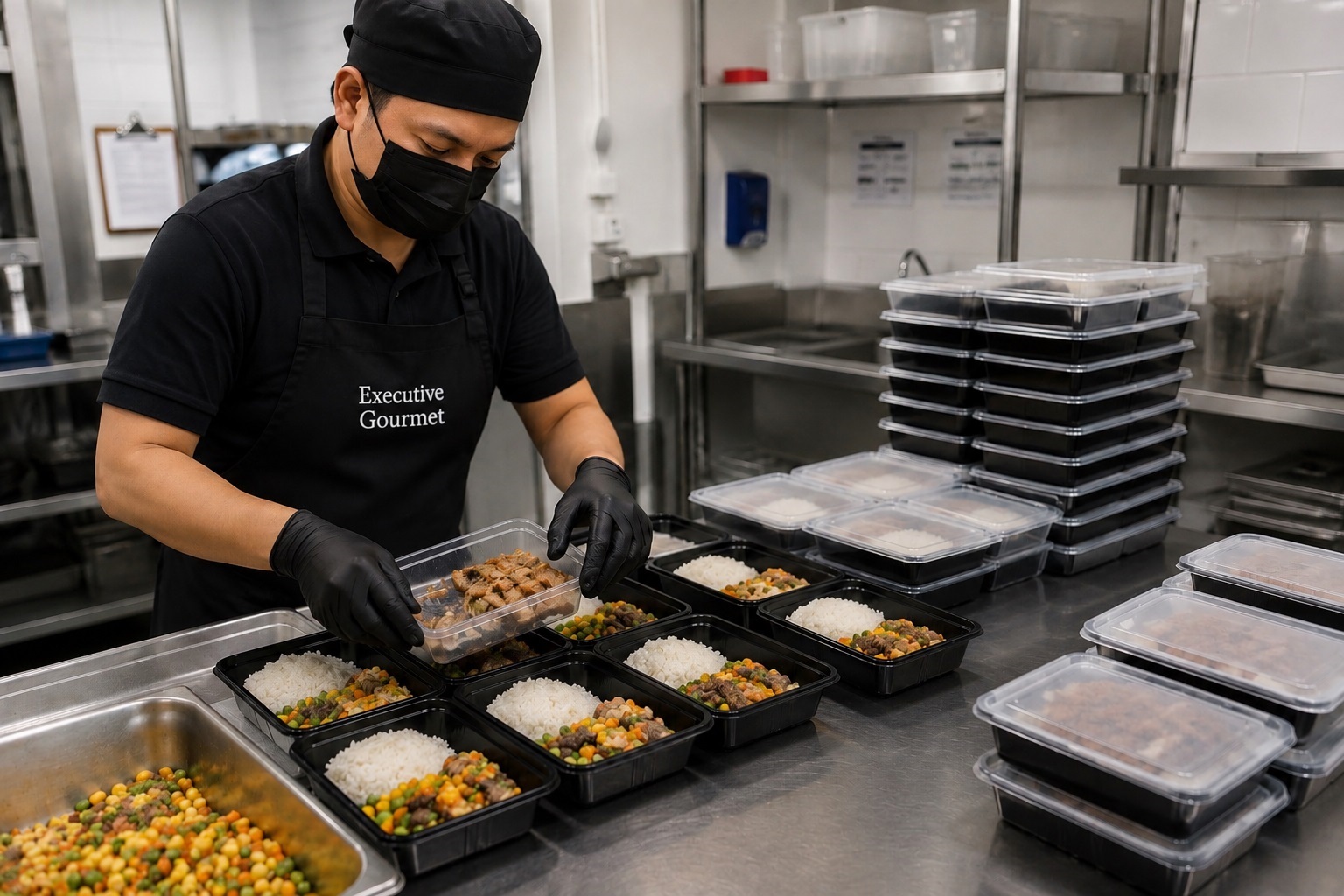
Packing and Securing Prepared Food
Prepared food should be placed in suitable containers before it leaves the preparation area. Containers help protect meals from unnecessary exposure during handling and transportation.
Depending on the type of food service, meals may be individually packed or transferred using larger containers intended for subsequent service at the destination.
- Use clean and appropriate food containers
- Close or cover containers properly
- Separate items when necessary
- Organize containers to reduce unnecessary movement
- Check quantities before dispatch
Loading for Transportation
Packed food is transferred from the preparation area to the designated delivery vehicle or transport equipment.
During loading, containers should be handled carefully and arranged appropriately to help prevent spills, damage, or unnecessary movement while in transit.
- Inspect containers before loading
- Keep food protected during transfer to the vehicle
- Arrange containers securely
- Separate food from non-food materials where appropriate
- Confirm the delivery destination before departure
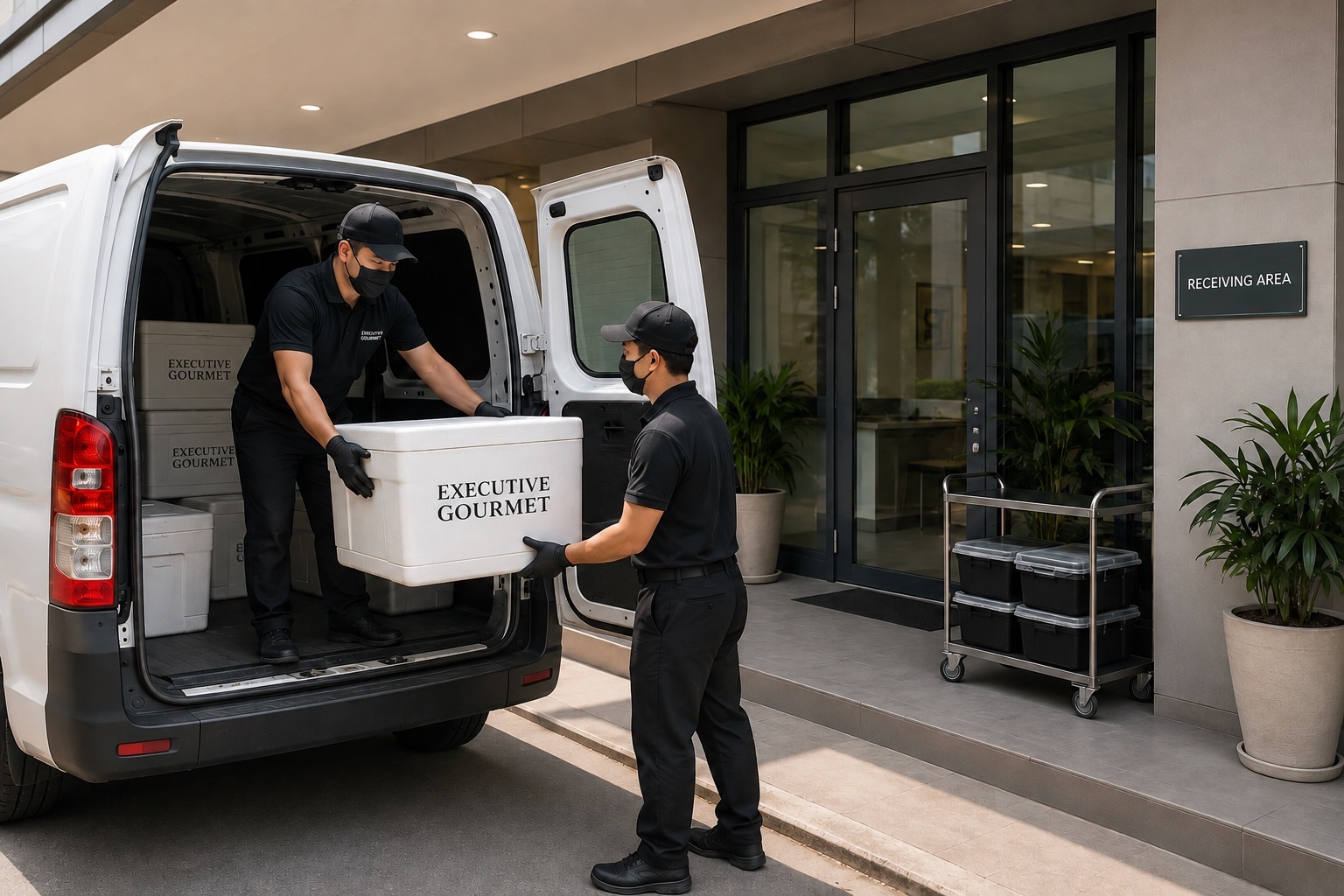
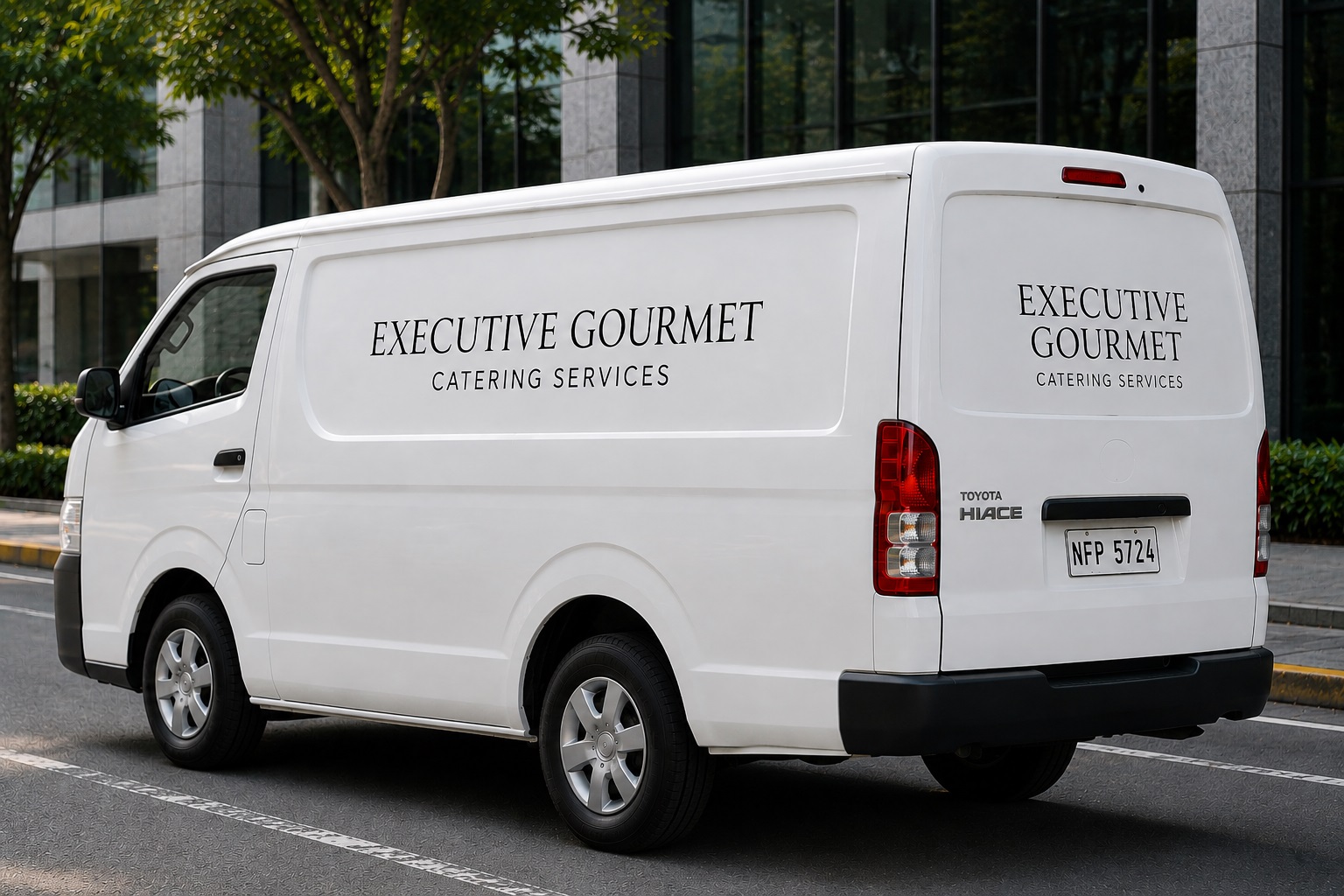
Transportation to the Corporate Site
During transportation, prepared food should remain protected from contamination and unnecessary handling.
Containers should remain properly arranged throughout the journey. Delivery planning should also consider the required service schedule so that meals arrive within the appropriate operational timeframe.
- Keep food containers secured during transit
- Maintain cleanliness of the transport area
- Limit unnecessary opening or handling of containers
- Follow the planned delivery route and schedule
- Proceed directly to the designated receiving location
Arrival and Unloading
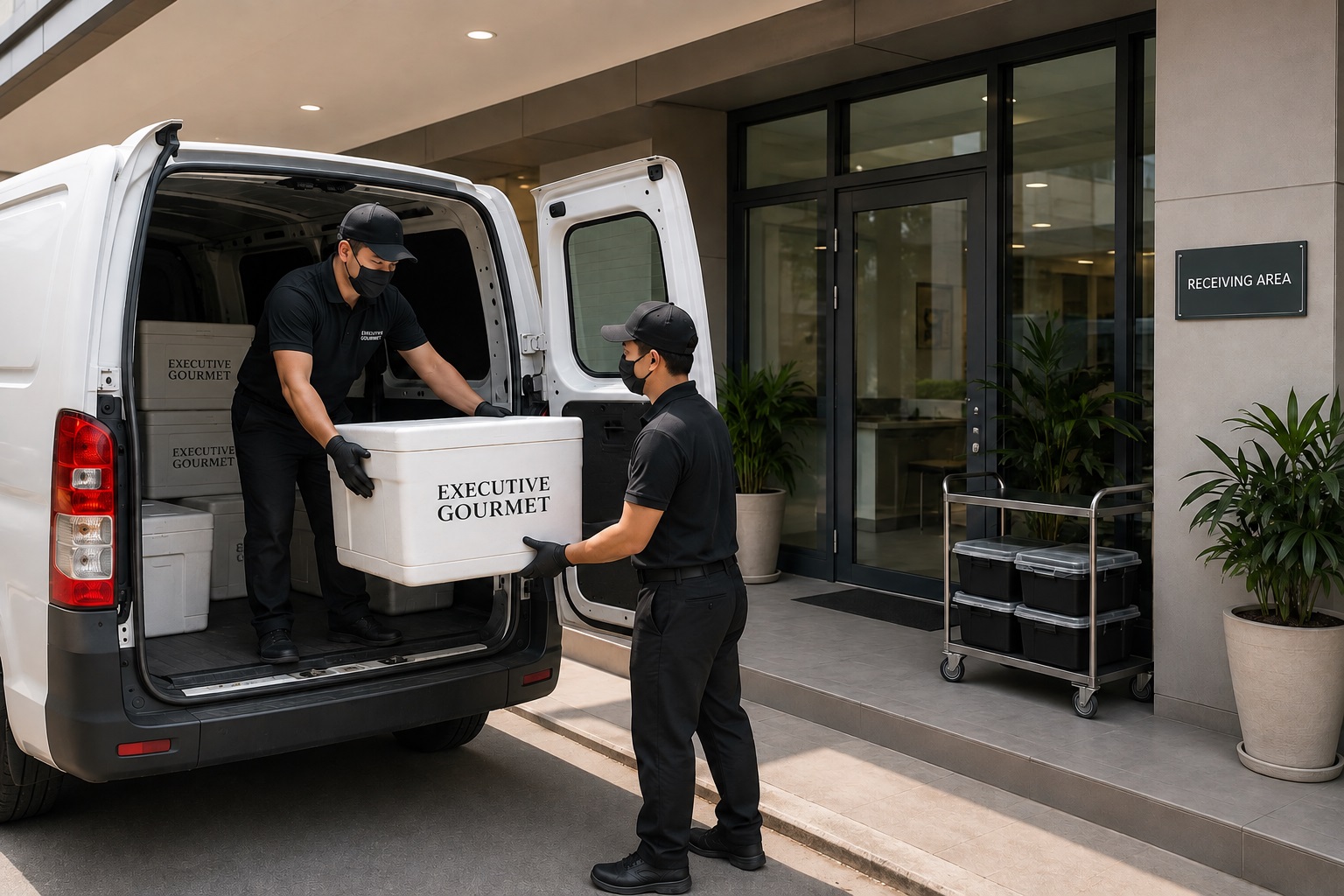
Upon arrival at the corporate site, food containers should be unloaded carefully and transferred to the designated receiving, holding, or serving area.
Unloading should be organized to minimize delays and unnecessary exposure of prepared food.
- Confirm arrival at the correct receiving location
- Unload food containers carefully
- Keep containers closed during transfer when appropriate
- Move food promptly to the designated service or holding area
- Check containers for visible damage or spills
Food Turnover and Service
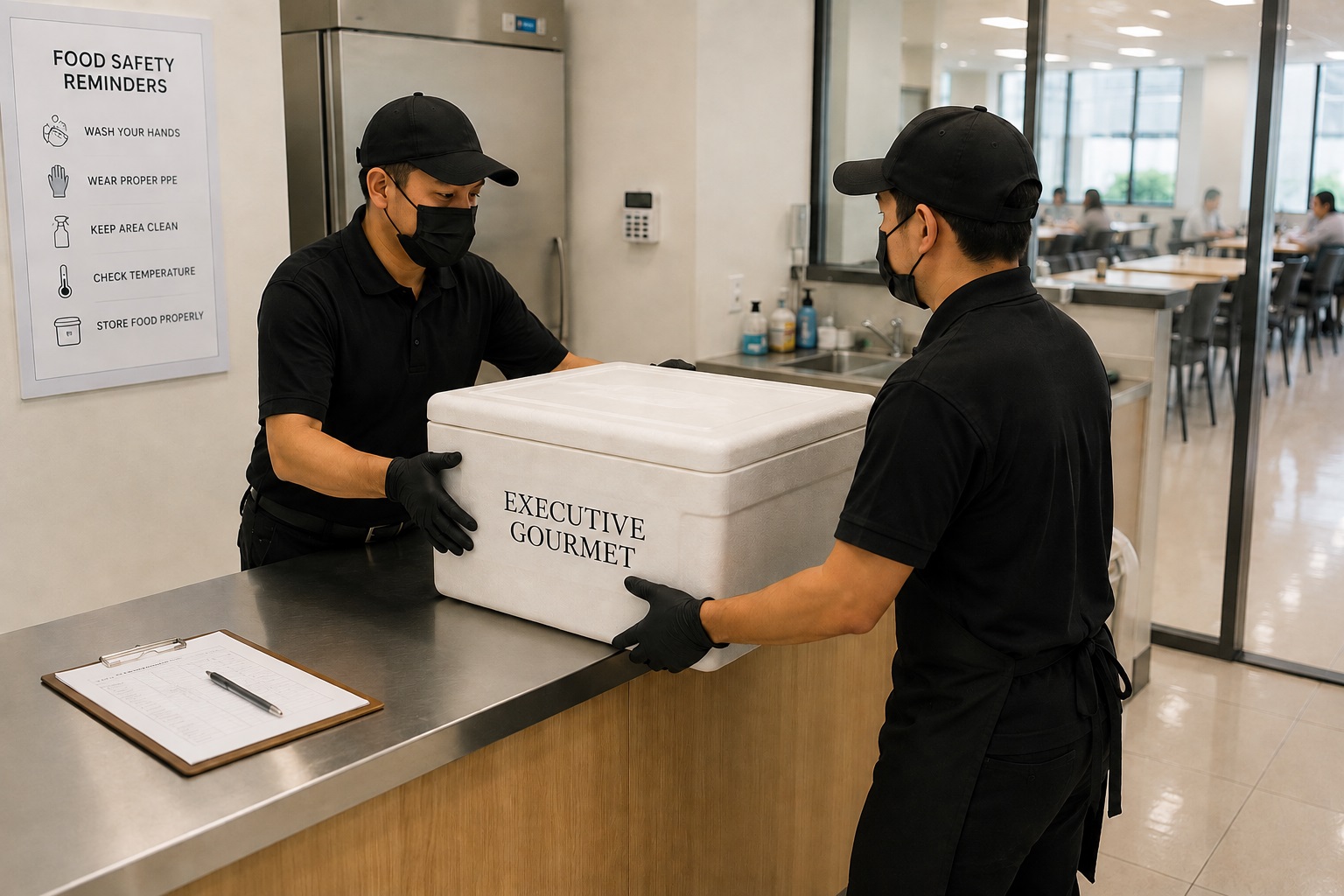
After unloading, meals are transferred to the designated food service area or turned over to the authorized receiving personnel according to the agreed service arrangement.
Quantities and delivered items may be checked as part of the turnover process before the meals are prepared for distribution or service.
- Transfer meals to the designated area
- Verify delivered quantities when required
- Report any delivery discrepancies
- Prepare food for the agreed service arrangement
- Maintain proper handling practices until service
Food Transfer Process Summary
| Stage | Primary Objective |
|---|---|
| 1. Preparation | Prepare and verify meals before dispatch |
| 2. Packing | Protect prepared food during handling |
| 3. Loading | Arrange and secure containers for transportation |
| 4. Transportation | Maintain protection during transit |
| 5. Unloading | Transfer meals promptly to the designated area |
| 6. Turnover | Verify and prepare meals for distribution or service |
Food Safety Throughout the Transfer Process
Food transfer is one stage of a larger food service operation. Proper receiving, storage, preparation, cooking, sanitation, and employee hygiene practices should be maintained before food reaches the transportation stage.
Read our food preparation and handling procedures for corporate canteens for more information about the processes that take place before meals are dispatched.
Corporate Canteen Food Service Solutions
An organized food transfer process helps support reliable meal delivery between food preparation facilities and workplace dining locations. It forms part of the broader operational procedures required for corporate food service.
Learn more about Executive Gourmet’s managed workplace dining and corporate food service solutions.
View Our Canteen Concessionaire Services