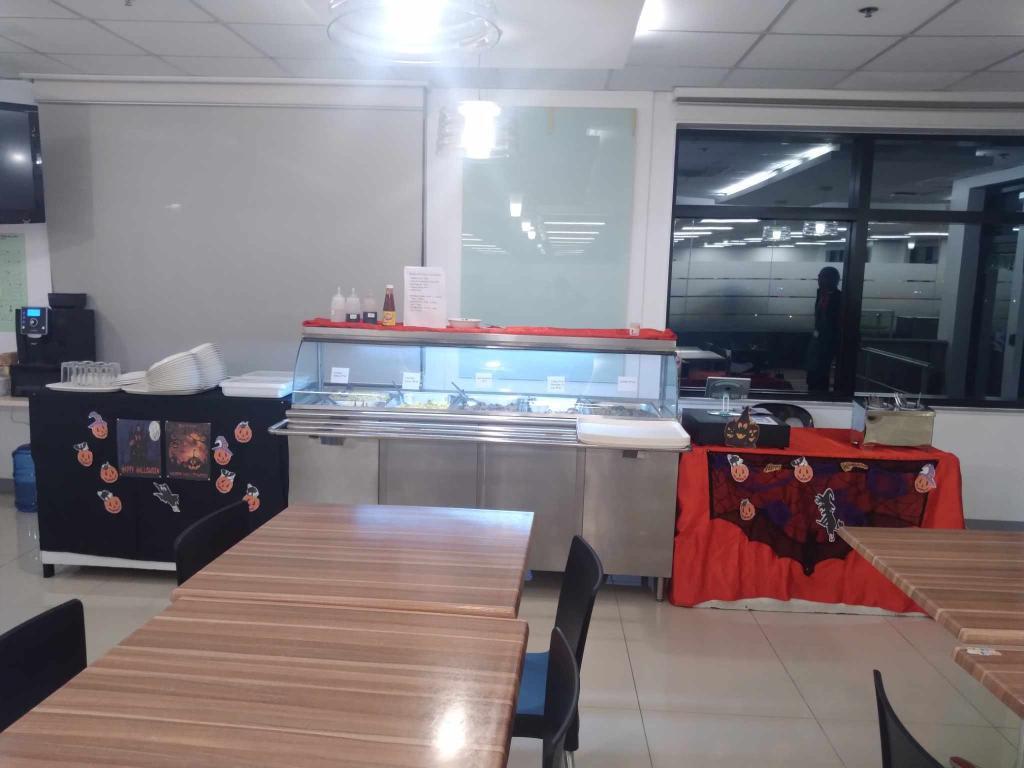
A business continuity plan for corporate canteen operations helps maintain meal service when unexpected events affect normal food preparation, transportation, staffing, equipment, utilities, or supply availability.
Because employees may depend on scheduled daily meals, food service operations should have practical procedures for responding to disruptions while continuing to prioritize food safety, service reliability, and clear communication.
The following framework outlines the key areas that can be considered when planning continuity measures for corporate food service operations.
Objectives of a Corporate Canteen Business Continuity Plan
The primary objective is to establish an organized response when normal operations are disrupted and determine how meal service can be maintained, modified, or restored.
Key Continuity Objectives
- Protect the safety and quality of food being served
- Minimize interruption to scheduled employee meal service
- Identify alternative operating procedures when normal processes are unavailable
- Establish responsibilities for responding personnel
- Maintain communication with the client during disruptions
- Restore normal operations as efficiently as practical
Potential Operational Disruptions
Business continuity planning begins by identifying situations that could interrupt normal canteen or meal service operations.
Supply Disruption
Delayed ingredients, unavailable products, supplier issues, or unexpected changes in ingredient availability.
Equipment Failure
Unexpected failure of cooking, refrigeration, preparation, or other essential food service equipment.
Utility Interruption
Power, water, or other utility interruptions that may affect safe food preparation or service.
Staffing Shortage
Unexpected employee absences or circumstances that reduce available food preparation and service personnel.
Transportation Disruption
Vehicle problems, traffic conditions, road closures, severe weather, or other events affecting scheduled deliveries.
Facility Disruption
Situations that temporarily prevent normal use of a commissary, kitchen, canteen, receiving area, or service location.
Ingredient and Supply Continuity
Ingredient availability can be affected by supplier delays, seasonal availability, transportation issues, and unexpected demand.
Food service operations can reduce disruption by maintaining communication with suppliers, monitoring important inventory, and identifying acceptable alternatives for commonly used ingredients when necessary.
Equipment Failure Response
Cooking, refrigeration, preparation, and holding equipment are important components of daily food service operations.
If essential equipment becomes unavailable, personnel should assess whether food preparation can continue safely using available alternatives. Food potentially affected by equipment failure should be evaluated before it proceeds to preparation or service.
Equipment problems should also be reported promptly so that repair, replacement, or an alternative operational arrangement can be considered.
Power and Water Interruption
Electricity and water interruptions can directly affect refrigeration, cooking, cleaning, sanitation, handwashing, and other essential food service activities.
When a utility interruption occurs, the situation should be assessed before continuing food preparation. Operations that cannot be performed safely should be suspended or modified until suitable conditions are restored or an appropriate alternative is available.
Staffing Continuity
Unexpected absences can affect kitchen preparation, transportation, serving, sanitation, and supervisory functions.
Workforce planning should identify essential operational roles and determine how responsibilities may be reassigned when staffing levels are temporarily reduced.
- Identify essential positions for each service period
- Maintain clear employee responsibilities
- Cross-train personnel where practical
- Prioritize food safety and essential service functions
- Adjust production or service procedures when necessary
Meal Delivery and Transportation Contingency
Corporate meal operations that involve off-site preparation depend on reliable transportation between the commissary and the client location.
Delivery planning should account for possible vehicle problems, heavy traffic, road closures, severe weather, and other circumstances that could delay scheduled meal service.
When a transportation problem occurs, the priority is to determine an appropriate alternative while maintaining proper food handling and keeping the client informed of any significant impact on the delivery schedule.
Learn more about our food transfer process for corporate canteens .
Maintaining Food Safety During a Disruption
Business continuity should not require food safety controls to be ignored. If normal operations are disrupted, personnel should determine whether food can still be safely stored, prepared, transported, and served.
Food that may have been adversely affected by a disruption should be evaluated before use. When safe preparation or handling conditions cannot be maintained, affected operations should not continue until appropriate conditions are restored.
Our related guide explains food preparation and handling procedures for corporate canteens in more detail.
Client Communication and Escalation
Clear communication is particularly important when a disruption could affect meal quantity, menu availability, delivery time, or service.
The responsible operations personnel should assess the situation and communicate relevant information to the designated client representative as soon as practical.
Communication May Include
- Nature of the operational disruption
- Expected effect on meal service
- Immediate corrective or contingency action
- Possible menu or delivery adjustments
- Estimated restoration of normal operations when known
Business Continuity Response Process
| Stage | Action |
|---|---|
| 1. Identify | Determine the disruption and the operations affected. |
| 2. Assess | Evaluate food safety, service, staffing, supply, and delivery impact. |
| 3. Respond | Implement an appropriate contingency procedure. |
| 4. Communicate | Inform relevant personnel and the client when service may be affected. |
| 5. Monitor | Track the situation and make further adjustments when necessary. |
| 6. Recover | Return to normal operations when conditions permit. |
| 7. Review | Review the incident and identify opportunities to improve future response. |
Supporting Reliable Corporate Meal Operations
Business continuity planning provides a framework for responding to unexpected operational problems without losing sight of food safety and service requirements.
By planning for potential disruptions involving ingredients, equipment, utilities, personnel, transportation, and facilities, corporate food service operations can respond more systematically when normal procedures are interrupted.
Reliable Corporate Canteen Operations
Business continuity is one component of managing a dependable workplace dining operation. Food preparation, transportation, staffing, sanitation, menu management, and daily service procedures must work together to support employees consistently.
Organizations evaluating a managed workplace food service solution can learn more about Executive Gourmet’s corporate canteen operations.
View Our Canteen Concessionaire Services