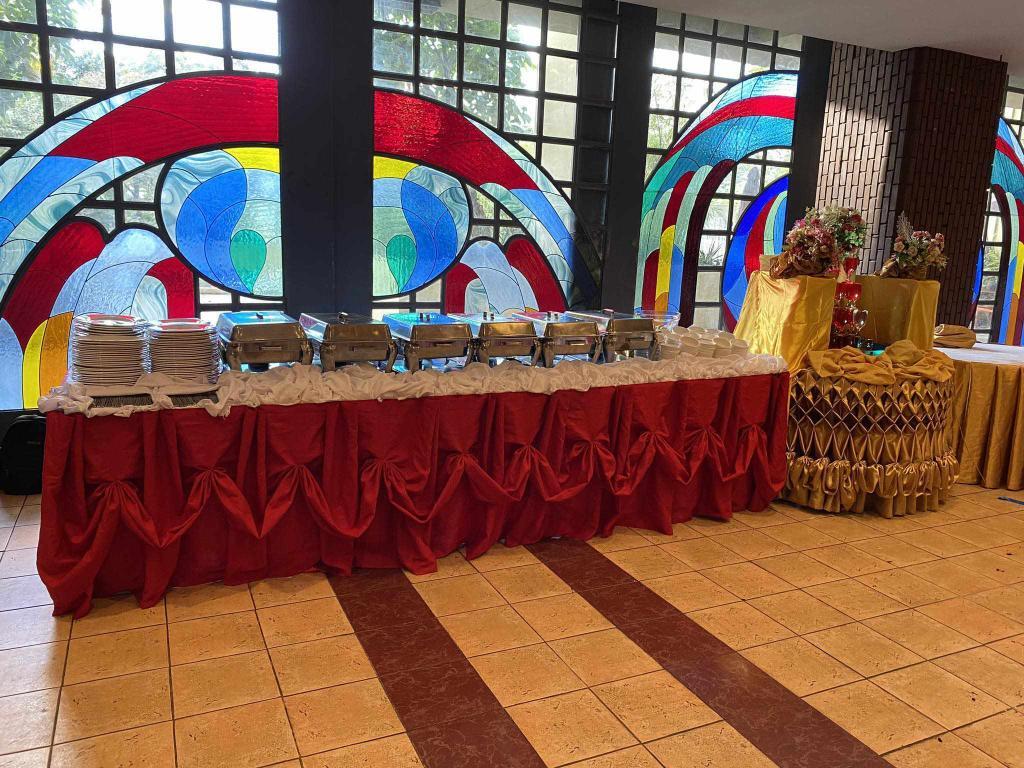
Planning catering for a corporate seminar or training event starts with understanding the program schedule, number of participants, venue requirements, and meal breaks. When these details are coordinated early, food service can fit naturally into the event without interrupting presentations, workshops, or training sessions.
Whether you are organizing an employee orientation, leadership seminar, technical workshop, company training program, or professional conference, the following steps can help you prepare a more organized catering plan.
1. Review the Complete Seminar Schedule
Start with the event program before deciding what food to serve.
Identify the time participants will arrive, when sessions begin, how long each session lasts, and when breaks are scheduled.
Mark the possible food-service periods such as:
- Breakfast before the opening session
- Morning refreshment break
- Lunch
- Afternoon snack break
- Dinner for extended programs
- Coffee, tea, and water service throughout the event
This creates a basic catering timeline that can be shared with your caterer.
2. Determine the Catering Requirement Based on Event Duration
Not every seminar requires the same amount of food service.
| Event Duration | Typical Requirement |
|---|---|
| Short morning seminar | Breakfast or light refreshments |
| Half-day training | Breakfast or snacks plus lunch |
| Full-day training | Breakfast, lunch, PM snacks, and beverages |
| Extended program | Breakfast, lunch, snacks, dinner, and beverages |
| Multi-day training | Daily meal service with menu rotation |
For organizers who prefer a complete arrangement based on event duration, Executive Gourmet offers seminars and training catering packages for different program schedules.
3. Confirm the Expected Number of Participants
Your headcount affects food quantity, seating, buffet setup, staffing, dining equipment, and the amount of time required for meal service.
Start with an estimated number of attendees, then establish a deadline for participants to confirm attendance.
4. Ask About Dietary Requirements During Registration
Do not wait until the event day to discover that some participants need alternative meals.
Add a dietary-requirements question to your seminar registration form or attendee confirmation process.
Possible requirements may include:
- Vegetarian meals
- Known food allergies
- Religious dietary requirements
- Other special meal arrangements
Compile the requests and provide them to your caterer before the final menu is confirmed.
5. Choose Food Appropriate for the Break Length
The amount of time available for participants to eat should influence the type of food you serve.
A short refreshment break usually works better with food that is quick and convenient to serve. A longer lunch break allows for a more complete buffet meal.
For full-day seminars, balance heavier meals with lighter snacks so that participants have suitable food options throughout the program.
6. Plan the Menu for the Type of Audience
Consider who will attend the seminar when planning the menu.
An internal employee training session may have different expectations from an executive workshop, client seminar, professional conference, or management retreat.
Your menu should fit the event while remaining practical for the venue and available meal-break time.
7. Create a Meal-Service Timeline
Once the program schedule is finalized, create a simple food-service timeline.
Example Full-Day Catering Timeline
“`- 8:00 AM – Participant arrival and breakfast
- 9:00 AM – Training begins
- 10:30 AM – Short break or beverage service
- 12:00 PM – Lunch
- 1:00 PM – Afternoon session
- 3:00 PM – PM snacks
- 5:00 PM – Program concludes
The exact times will depend on your seminar, but having a timeline gives the organizer, trainers, venue, and caterer a common reference.
8. Check the Venue Before Finalizing the Setup
The venue affects how food can be delivered and served.
Before confirming arrangements, check the actual catering space or obtain detailed information from the venue coordinator.
Confirm the following:
- Location of the buffet
- Dining area
- Number of available tables and chairs
- Loading and unloading access
- Service elevator availability
- Building security procedures
- Available preparation or staging area
- Electricity requirements, if applicable
- Venue restrictions for outside caterers
- Allowed setup and cleanup times
9. Plan the Buffet Flow
Buffet layout becomes increasingly important as the number of participants grows.
If hundreds of attendees are released for lunch at the same time, a poorly arranged serving area can result in long queues and delayed afternoon sessions.
Discuss with your caterer how participants will enter the buffet area, collect their food, move toward the dining area, and return used plates after the meal.
10. Decide Where the Beverage Station Will Be Located
Coffee, tea, and water should be accessible without interfering with the training program.
A beverage station can often be positioned outside the seminar room or near the dining area so attendees can get refreshments during scheduled breaks.
Avoid placing it where queues may block entrances or interfere with speakers, training equipment, or registration tables.
11. Allow Enough Time for Each Meal Break
A common planning mistake is giving a large group too little time to eat.
The larger the group, the more important it becomes to consider queuing, serving, dining, and clearing time.
Coordinate with your caterer and trainer before publishing the final seminar program so meal breaks are realistic.
12. Coordinate Catering Setup With the Venue
Catering staff will normally need access before the first meal or refreshment service begins.
Confirm when the venue will allow the catering team to enter and identify any requirements for supplier passes, loading permits, parking arrangements, or security clearance.
Provide the caterer with the name and contact number of the event-day coordinator who can assist with access.
13. Prepare for Changes in Attendance
Corporate seminar attendance may change before the event.
Departments may add participants, employees may cancel, or external guests may confirm at the last minute.
Keep your caterer informed of significant changes rather than waiting until the final day.
14. Plan Differently for Multi-Day Training
For training programs running for several days, prepare the catering schedule for the entire program rather than treating each day independently.
Consider rotating:
- Main dishes
- Vegetable selections
- Desserts
- Morning refreshments
- Afternoon snacks
A menu rotation reduces unnecessary repetition for participants attending every day.
15. Conduct a Final Catering Coordination Check
A few days before the seminar, review all confirmed details with your event team and catering provider.
Final Seminar Catering Checklist
- Final date and venue
- Final participant count
- Program start and end time
- Meal-break schedule
- Confirmed menu
- Dietary requirements
- Beverage requirements
- Buffet location
- Dining area
- Tables and chairs
- Venue access time
- Loading instructions
- Event-day contact person
- Catering setup time
- Cleanup schedule
Why Early Catering Planning Helps
Catering is easier to coordinate when it is included in the seminar plan from the beginning.
The program schedule, venue, participant count, meal periods, and catering setup all affect one another. Resolving these details early can reduce last-minute changes and help food service run more smoothly on the event day.
The goal is not simply to provide food. It is to create meal and refreshment breaks that fit naturally into the seminar schedule.
Ready to Plan Your Seminar Catering?
Executive Gourmet provides catering for seminars, employee training programs, workshops, orientations, conferences, and other corporate learning events throughout Metro Manila.
Choose an arrangement based on your event duration, meal schedule, number of participants, and service requirements.
View Seminar & Training Catering PackagesFrequently Asked Questions
“`
“`
“`
“`
Need a complete catering arrangement? Explore Executive Gourmet’s seminar and training catering packages in Metro Manila for half-day, full-day, and extended programs.