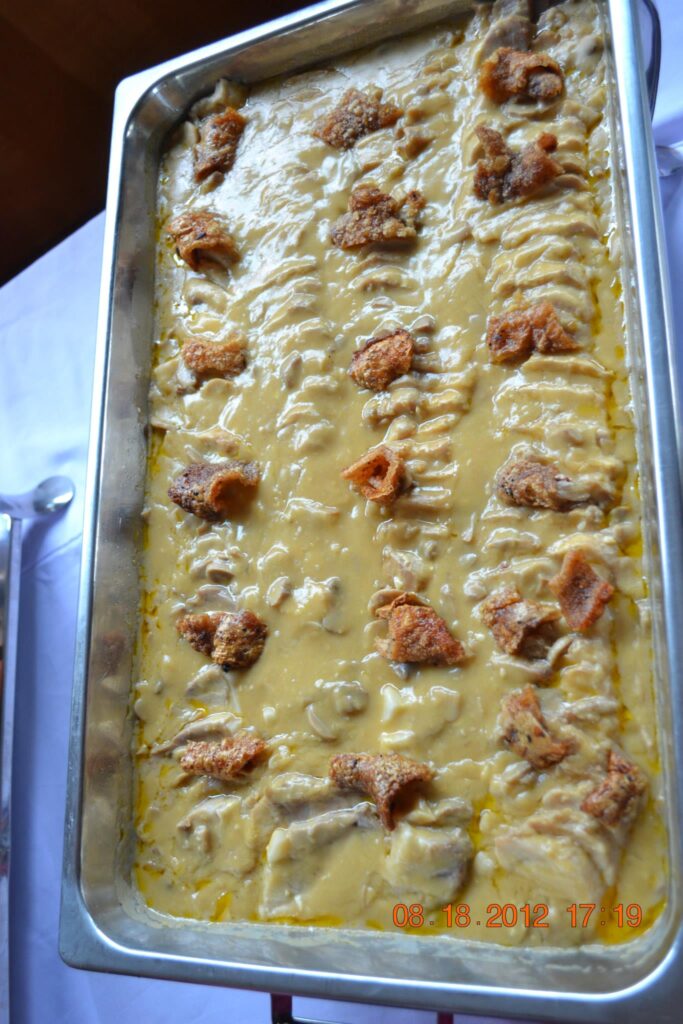
A well-planned catering menu does more than provide food for your guests. It should match the occasion, guest profile, service style, schedule, and overall atmosphere of your event.
Whether you are organizing a birthday, wedding, corporate function, anniversary, baptismal reception, or private gathering, choosing the right combination of dishes can help create a more enjoyable dining experience.
Ready to Compare Actual Catering Menus?
After reviewing this menu-planning guide, explore our regular event catering packages in Metro Manila to compare available menus, package levels, and inclusions.
Start With the Type of Event
Before choosing individual dishes, consider what kind of event you are hosting. A formal wedding reception may call for a different menu and presentation from a company seminar, children’s birthday, or relaxed family gathering.
Corporate
Consider efficient service, familiar dishes, and a menu appropriate for the meeting or program schedule.
Wedding
Menu selection can complement the reception style, guest profile, and formality of the celebration.
Family Events
A varied menu can accommodate different generations and preferences around the same table.
Private Parties
Smaller celebrations may provide more flexibility for personalized selections and presentation.
Consider Who Will Be Eating
Your guest profile should influence your menu. An event attended mostly by adults may have different requirements from one with many children, senior guests, or people with dietary restrictions.
Rather than selecting dishes based only on personal favorites, look for a combination that gives guests enough variety without making the menu unnecessarily complicated.
Questions to Consider
- How many adults and children are attending?
- Are there senior guests?
- Are there known food allergies?
- Are vegetarian options required?
- Are there religious dietary considerations?
- Do guests have particular food preferences?
Build a Balanced Catering Menu
A good event menu should provide variety without having every dish compete for attention. Think about how the dishes work together as a complete meal rather than choosing each item independently.
| Menu Component | What to Consider |
|---|---|
| Appetizers | Light portions that prepare guests for the main meal without being too filling. |
| Main Dishes | A combination of proteins and flavors that provides enough variety for different preferences. |
| Vegetables / Sides | Complement the main dishes and provide balance to heavier selections. |
| Rice / Pasta | Choose accompaniments that work naturally with the main courses. |
| Dessert | Finish the meal with something appropriate for the occasion and overall menu. |
| Beverages | Provide refreshments that complement the meal and suit your guests. |
Decide Whether You Need Appetizers
Appetizers are particularly useful when guests will arrive over a period of time or when there is a cocktail or social period before the main meal.
For events where food service begins shortly after guests arrive, an elaborate appetizer selection may not be necessary. Your event timeline should help determine whether appetizers add value to the experience.
Choose Main Courses That Complement Each Other
Instead of choosing several dishes with similar flavors or preparation styles, consider providing contrast. A menu might combine different proteins, sauces, textures, and cooking methods to create greater variety.
Filipino, International, or a Combination?
Your menu can feature familiar Filipino flavors, international dishes, or a combination of both. The right approach depends on your guests and the atmosphere you want to create.
For a diverse guest list, familiar dishes combined with a few distinctive selections can provide variety without making the menu feel disconnected.
Match the Menu to the Service Style
How the food will be served is just as important as what will be served. Certain menus work better with particular event formats.
Buffet Service
Buffet catering gives guests flexibility in choosing dishes and portions and can work well for many social and corporate events.
Consider available venue space, buffet traffic, guest count, and service schedule.
Plated Service
Plated meals can create a more structured dining experience and may be suitable for formal celebrations.
This format requires careful coordination of portions, meal selections, staffing, and service timing.
Let the Venue Influence Your Menu
Your venue can affect what catering setup is practical. A large function room may comfortably accommodate several buffet stations, while a smaller venue may require a more compact food-service arrangement.
Consider the available dining area, buffet location, electricity, kitchen or preparation facilities, supplier access, and the amount of time available for setup.
Identify Dietary Requirements Early
Ask about important dietary requirements before finalizing your menu. Knowing these requirements early gives you more time to discuss appropriate alternatives with the caterer.
Information Worth Collecting
- Known food allergies
- Vegetarian requirements
- Religious dietary considerations
- Other special dietary requests
Plan Dessert Around the Celebration
Dessert should complement the rest of the meal rather than simply add another heavy course. If your event already includes a birthday, wedding, or celebration cake, take that into account when deciding whether additional desserts are needed.
For other events, individual desserts or a small dessert selection can provide a simple finish to the meal.
Don’t Forget the Beverage Plan
Beverage requirements depend on the event duration, venue, guest profile, and menu. Water and non-alcoholic refreshments should be considered alongside any other beverage arrangements.
For longer events, also consider how drinks will be replenished throughout the program rather than only what will be available when guests first arrive.
Common Catering Menu Planning Mistakes
Too Many Similar Dishes
Selecting several dishes with similar sauces, flavors, or proteins can make the menu feel repetitive.
Ignoring Guest Profiles
A menu based entirely on the host’s preferences may not provide enough choices for the people attending.
Forgetting the Timeline
The menu should work with the event program and planned meal-service time.
Choosing Before Checking the Venue
Venue space and facilities can influence which service format is practical for the event.
A Simple Way to Plan Your Catering Menu
- Identify the type and style of event.
- Estimate your guest count.
- Consider the age and preferences of your guests.
- Check dietary requirements.
- Decide between buffet, plated, or another service format.
- Choose complementary dishes rather than isolated favorites.
- Consider dessert and beverage requirements.
- Compare available catering packages before making your final selection.
Compare Executive Gourmet Catering Menus
Once you know the type of menu that fits your event, the next step is comparing actual catering packages.
Our regular event catering packages in Metro Manila provide menu selections and package inclusions for different event requirements. Keeping those details on the package page also makes it easier to compare your available options.
Catering Menu Planning FAQs
Ready to Choose Your Catering Menu?
Compare Executive Gourmet’s catering packages and find a menu that suits your event, guests, and preferred service style.